


Mango and weight gain-Eating mango alone doesn’t instantly cause weight gain. Weight gain happens once you devour extra energy than your physique wants and the surplus energy are saved as fats.
Mangoes are comparatively low in energy and may be a part of a nutritious diet.
However, it is vital to contemplate portion sizes and total calorie consumption. If you devour massive portions of mango or pair it with high-calorie meals, sauces, or dips, it may contribute to weight gain.
Additionally, when you exceed your each day calorie wants by persistently consuming extra energy from any supply, together with mangoes, it could actually result in weight gain over time.
Mangoes are a nutritious fruit that gives important nutritional vitamins, minerals, and fiber. They may be loved as a part of a balanced food regimen alongside different fruits, greens, complete grains, lean proteins, and healthy fat.
Remember that sustaining a healthy weight entails contemplating your total dietary patterns and fascinating in common bodily exercise.
What is mango fruit
The mango is a tropical fruit that’s extensively recognized for its candy and juicy taste. It belongs to the Anacardiaceae household and is native to South Asia, particularly India and Southeast Asia. The scientific title of the mango fruit is Mangifera indica.
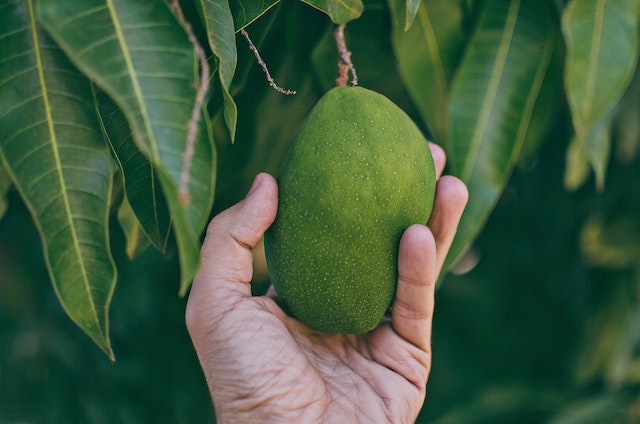
Mangoes are sometimes massive, oval-shaped fruits with thick pores and skin that may fluctuate in coloration from inexperienced to yellow, orange, or pink, relying on the range and ripeness.
The flesh of a ripe mango is golden yellow or orange and is extraordinarily juicy. It has a candy, tropical style that’s typically described as a mix of peach, pineapple, and citrus flavors.
Inside the mango fruit, there’s a massive flat seed or stone within the heart, which is surrounded by the flesh. The flesh of the mango is often eaten, whereas the seed is discarded.
Mangoes will not be solely scrumptious but additionally extremely nutritious. They are a superb supply of nutritional vitamins A and C, in addition to dietary fiber and antioxidants. They additionally include small quantities of different important nutritional vitamins and minerals.
Mangoes may be eaten contemporary, sliced, or diced, and added to fruit salads, smoothies, or desserts. They are additionally utilized in varied culinary functions, together with chutneys, salsas, sauces, and even savory dishes.
Mango vitamin info
Mangoes will not be solely scrumptious but additionally filled with vitamins. Here are some widespread vitamin info for 100 grams (3.5 ounces) of uncooked mango flesh:
- Calories: 60
- Carbohydrates: 15 grams
- Fiber: 1.6 grams
- Sugars: 14.98 grams
- Protein: 0.82 grams
- Fat: 0.38 grams
- Vitamin C: 36.4 milligrams (61% of the Daily Value)
- Vitamin A: 54 micrograms (6% of the Daily Value)
- Vitamin E: 0.9 milligrams (4% of the Daily Value)
- Vitamin Ok: 4.2 micrograms (5% of the Daily Value)
- Potassium: 168 milligrams
- Magnesium: 10 milligrams
- Calcium: 11 milligrams
- Iron: 0.16 milligrams
It’s vital to notice that the dietary composition of mangoes can fluctuate barely relying on the precise selection and ripeness. Additionally, these values are approximate and may fluctuate based mostly on various factors.
Mangoes are low in fats and protein however wealthy in carbohydrates, primarily within the type of pure sugars. They are additionally a superb supply of vitamin C, offering greater than half of the really useful each day consumption in simply 100 grams.
Mangoes are a superb supply of dietary fiber, which aids in digestion and promotes a sense of fullness. They additionally include varied nutritional vitamins and minerals that contribute to total well being.
Read More Posts:
Best age to start out fitness center and bodybuilding workouts
How to weight loss with out train and food regimen
Mango for post-workout
Mango generally is a nice possibility for a post-workout snack or addition to a post-workout meal. Here’s why:
Carbohydrates: Mangoes are wealthy in carbohydrates, that are a vital power supply in your physique, particularly after a exercise when your glycogen shops could also be depleted. Consuming carbohydrates helps replenish glycogen ranges and offers power for muscle restoration and restore.
Vitamins and Minerals: Mangoes are filled with important nutritional vitamins and minerals that may assist post-workout restoration. They include excessive quantities of vitamin C, which aids in collagen synthesis and helps with tissue restore.
Mangoes additionally present potassium, an electrolyte that helps regulate fluid steadiness and muscle perform. Additionally, they include small quantities of magnesium and calcium, that are vital for muscle and bone well being.
Antioxidants: Mangoes are wealthy in antioxidants corresponding to vitamin C, beta-carotene, and varied phytochemicals. These antioxidants assist scale back oxidative stress attributable to intense train, which may promote muscle restoration and scale back muscle soreness.
Hydration: Mangoes have a excessive water content material, which may contribute to rehydration after a exercise. Proper hydration is essential for sustaining optimum bodily capabilities and supporting muscle restoration.
You can get pleasure from mangoes on their very own as a post-workout snack or incorporate them right into a post-workout meal. Consider pairing mangoes with a supply of protein, corresponding to Greek yogurt or a protein shake, to additional assist muscle restoration and progress.