


“`html
I Made Korean Solo Meals Every Week for 3 Months — Here’s What $2.50 Gets You
I was eating leftover rice standing over my kitchen sink at 11pm. Not a crisis — just a Tuesday. Then I fell into a corner of Korean food content where solo meals looked genuinely considered: a single matte ceramic bowl of doenjang jjigae, two small banchan dishes, chopsticks on a clay rest. Nobody else at the table. And it was obvious the person who made it meant to be alone.
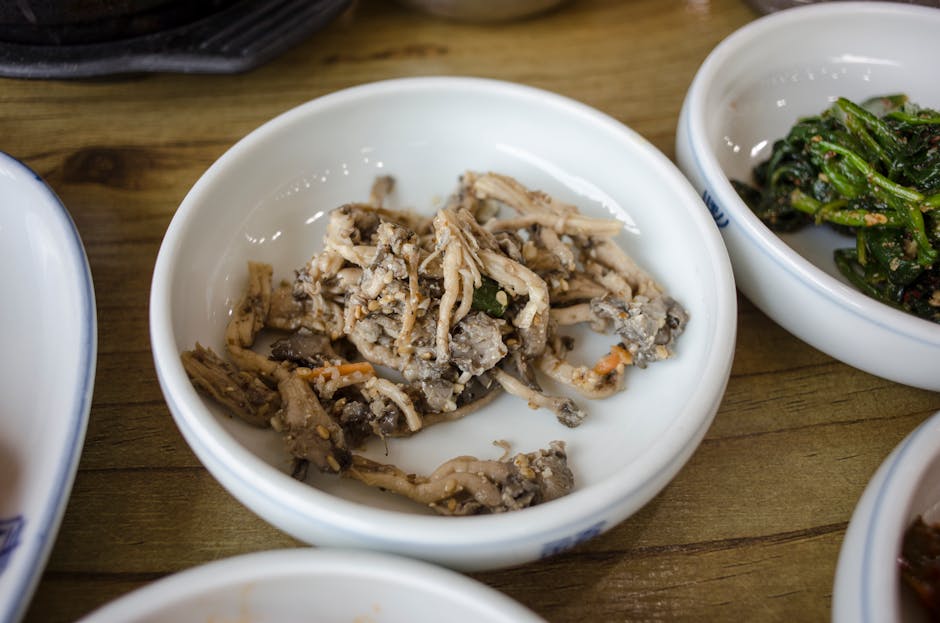
That’s hon-bab (혼밥) — “eating alone” — and South Korea didn’t just normalize it. They built an entire industry around it. I spent three months testing the food, the gear, and the actual costs. Here’s what’s real and what’s overhyped.
Hon-Bab Used to Be Social Shame — Here’s How Fast That Flipped
For decades, eating alone in Korea carried real stigma. Meals were communal by design — banchan shared from central dishes, jjigae bubbling in the middle of the table, everyone eating from the same pot. Walking into a restaurant alone marked you as someone with no one.
That started shifting around 2015–2016 as younger workers in Seoul and Busan began publicly embracing mukbang and solo food content. The pandemic removed whatever embarrassment was left.
What changed wasn’t the behavior — it was the framing. Hon-bab went from “eating alone because you have nobody” to “eating alone because you chose yourself.” That single reframe turned a coping mechanism into a premium lifestyle category, and the food industry sprinted to catch up.
By 2024, single-person households hit 42% of all South Korean households, surpassing 10 million for the first time (Ministry of the Interior and Safety). That’s not a niche trend. That’s nearly half the country.
The Baemin Numbers Are Real — But Here’s What They Actually Mean
Baedal Minjok (Baemin), Korea’s dominant delivery app, launched a dedicated Single Bowl service in 2024. Reported figures: 1 million users and 10 million cumulative orders since launch (Korea Bizwire, 2025). Those are totals since launch, not monthly — worth knowing before you do any “1 in 5 South Koreans” math, which only holds if you assume zero overlap between users.
Still, for a sub-category that didn’t exist two years ago, the adoption is hard to dismiss.
What makes Single Bowl different from regular delivery: single-person portions and no minimum order penalty. Before this, the delivery fee (₩3,000–5,000, roughly $2.25–$3.75) ate 20–30% of a solo order. Removing that friction unlocked behavior that was already there waiting.
The cleaner data point comes from company cafeterias supplied by Hyundai Green Food, where solo convenience-style meal choices jumped from 4% to 28% between 2022 and 2025. Office workers are choosing solo formats even when communal dining is sitting right next to them. That’s a cultural shift, not a delivery app feature.
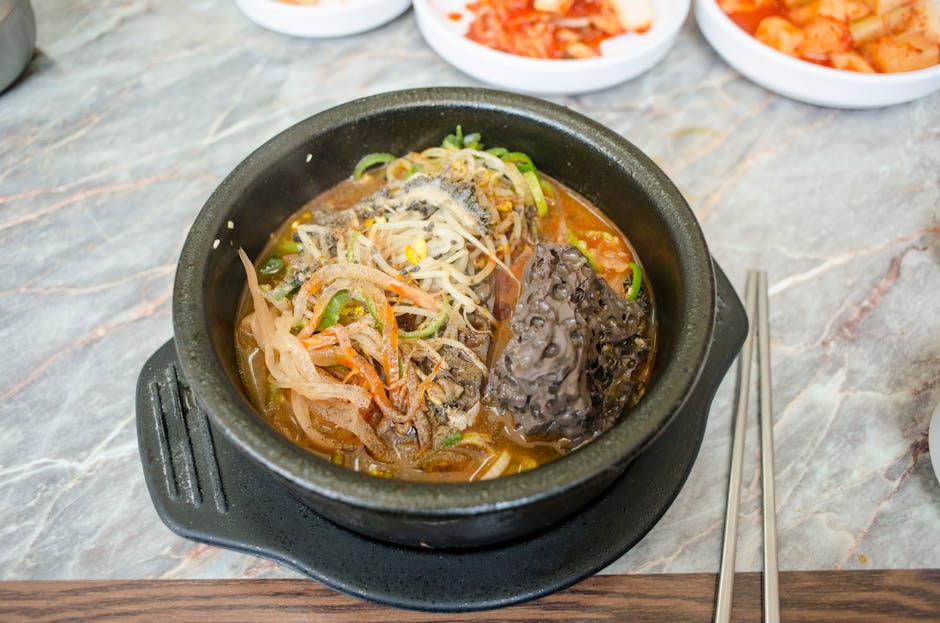
Home Cooking vs. GS25 vs. Baemin: I Tested All Three for 3 Months
| Method | Cost Per Meal | Time | Honest Downside |
|---|---|---|---|
| Cook at home | $2–4 | 25–30 min | ~$40 upfront for pantry basics (doenjang, gochugaru, sesame oil). Doenjang smell is aggressive in small apartments — open a window. |
| GS25 / CU premium dosirak | $3–5 (₩4,000–6,500) | 3 min | Sodium is high. The marinated galbi boxes taste genuinely good; the rice texture after microwaving is mediocre. |
| Baemin Single Bowl delivery | $7–12 (₩9,000–16,000) | 30–45 min wait | Still more expensive than cooking. Packaging waste per meal is significant. Not available outside Korea. |
| Solo BBQ restaurant (1-person grill chains, Hongdae) | $12–18 (₩16,000–24,000) | 45–60 min | Single-portion meat sets are well-designed, but you’re paying a premium for the individual grill setup. Worth it occasionally, not weekly. |
The convenience store result surprised me most. GS25’s “The Fresh” line and CU’s premium hot meal stations have moved well past triangle kimbap — we’re talking multi-component bento boxes with marinated protein, seasoned vegetables, and rice for under $5. The quality gap between 7-Eleven in the US and GS25 in Seoul is genuinely embarrassing for the US side of that comparison.
My verdict after 3 months: Home cooking wins on cost and satisfaction when you have 25 minutes. GS25 wins when you don’t. Baemin Single Bowl is a convenience premium, not a value play.
What Actually Goes in a One-Bowl Korean Solo Meal (And What to Skip)
A proper hon-bab setup is a system, not just rice in a bowl. Here’s the structure that works for one person without wasting ingredients:
- Base: Short-grain white rice or multigrain rice (잡곡밥). A small Cuckoo or Zojirushi rice cooker runs $60–80 and earns its place fast if you’re doing this more than twice a week. The $25 Amazon options produce gummy results with short-grain Korean rice — I learned this the expensive way.
- Protein: Dubu jorim (braised tofu, ~$1.50 per serving), jeyuk bokkeum (spicy pork), or gyeran jjim (steamed egg). Gyeran jjim takes 8 minutes and costs almost nothing. It’s the move.
- Soup: Doenjang jjigae scales perfectly to one portion — 15 minutes, deeply satisfying. Instant ramen will never replicate the fermented depth no matter what the packet claims.
- Banchan: One or two maximum. Kimchi is non-negotiable. Kongnamul (seasoned bean sprouts) or spinach namul if you have them. Don’t overcomplicate it.
The technique most Western cooking content misses: mise en place for one. Buy a block of tofu, use half, freeze the rest. Blanch a whole bag of bean sprouts, season half now, refrigerate the rest for tomorrow. Nothing wasted, nothing sad about it.
My 20-Minute Doenjang Jjigae Recipe (I’ve Made This ~40 Times)
True single-portion. Don’t scale it up — it loses something when you do.
Ingredients (serves 1):
- 1.5 cups anchovy or dashima broth (plain water works, just less depth)
- 1.5 tbsp doenjang — Korean fermented soybean paste, not miso. Earthier, stronger. About $4–6 for a tub that lasts months at any Korean grocery.
- ½ tsp gochugaru (I use 1 tsp — I want the heat)
- ½ block firm tofu, cubed (~120g, about $0.75 worth)
- ½ zucchini, roughly chopped
- 3–4 mushrooms (shiitake or oyster)
- 2 garlic cloves, minced
- Half a green onion, sliced
- ½ tsp sesame oil, added at the end — not optional
Method:
- Bring broth to a low boil in a ttukbaegi clay pot (~$8–15 at Korean homeware stores) or any small saucepan.
- Whisk in doenjang until dissolved. No lumps.
- Add garlic, zucchini, mushrooms. Simmer 5 minutes.
- Add tofu gently — stir hard and it falls apart.
- Add gochugaru, simmer 3 more minutes.
- Kill the heat. Add sesame oil and green onion. Done.
Serve in the ttukbaegi — it stays hot for 10+ minutes. Total ingredient cost: about $2.50. Active cooking time if your broth is pre-made: 12 minutes.
Honest downside: Doenjang smells aggressive while cooking. Open a window. Your neighbors will either think you’re running a Korean restaurant or knock to ask what smells so good. Both have happened to me.
The Part Hon-Bab Content Won’t Tell You: There’s a Loneliness Problem Underneath
There’s a real difference between choosing to eat alone and being stuck eating alone — and most hon-bab content treats them as the same thing.
South Korea has some of the highest loneliness rates in the OECD. A 2023 Ministry of Health and Welfare survey found roughly 1 in 3 single-person households reported chronic loneliness — not the peaceful solitude hon-bab content sells, but the involuntary kind.
The food industry has a financial incentive to celebrate hon-bab without sitting with that. I genuinely enjoy solo meals. But the aspirational framing papers over a social issue Korean policymakers are actively worried about. The same demographic driving the solo dining market is the one driving concern about social disconnection.
The beautiful ceramic bowl doesn’t fix that. Worth knowing before you romanticize the whole thing.
Where the One Bowl Korean Solo Dining Trend Goes in 2026
Solo dining now accounts for 47% of fast-food visits in key global markets, up from 31% in 2021 (Yum Brands, 2025). Korea built the cultural and commercial infrastructure around this fastest — and the rest of the industry is watching and copying.
The next wave: AI-personalized single-bowl delivery. Baemin and Coupang Eats are both moving toward order history-based meal customization — not just “here are solo options” but “here’s your Tuesday lunch based on last week’s orders and the weather.” Sounds dystopian until you’re standing in front of your fridge at 12:30pm with 40 minutes until your next call.
GS25 and CU are also expanding premium hot meal stations beyond Seoul into second-tier cities, experimenting with made-to-order components instead of just pre-packaged boxes. The convenience store as legitimate solo dining destination is already real in Korea. It’ll be real elsewhere within five years.
The broader export is the philosophy: a meal for one deserves the same care as a meal for four. Korean food culture figured out how to make that feel true. Whether you’re in Seoul or eating alone at your kitchen table somewhere else — this meal is for you. Make it worth sitting down for.
Related: Korea’s One Bowl Solo Dining Trend: How a $6 Kimchi Jjigae Delivery Changed 10 Million Meals
Related: I Tested 4 Allergen-Free Korean Jang Sauces — Here’s What $6–$14 Actually Buys You
Frequently Asked Questions
What is the one bowl Korean solo dining trend (hon-bab)?
Hon-bab (혼밥) combines “hon” (alone/solo) and “bab” (rice/meal). It started as stigmatized behavior and became a full lifestyle category as single-person households reached 42% of all South Korean households in 2024. The “one bowl” format means a complete solo meal — rice, protein, soup, one or two banchan — designed to be made without waste and eaten intentionally, increasingly treated as self-care rather than a social failure.
How much does a typical Korean solo meal cost to make at home?
Cooking at home runs $2–4 per meal once you have pantry staples. The upfront pantry cost is roughly $40 (doenjang, gochugaru, sesame oil, soy sauce). After that, individual meals like doenjang jjigae with tofu cost about $2.50. GS25 and CU premium dosirak boxes are $3–5 (₩4,000–6,500) for zero prep. Baemin Single Bowl delivery lands at $7–12 (₩9,000–16,000) including fees — convenient but not cheap.
What equipment do I actually need to start?
Minimum viable setup: a small Cuckoo or Zojirushi rice cooker ($60–80 — the cheap ones ruin short-grain rice), a ttukbaegi clay pot for jjigae ($8–15), and pantry basics. Total startup cost: roughly $80–110. After that, meals run $2–4 each. Skip the clay pot if budget is tight — any small saucepan works, it just won’t hold heat at the table.
Is hon-bab actually good for people, or does it just make loneliness look aesthetic?
Honestly, both. Intentional solo meals encourage cooking, cut food waste, and reframe eating alone as a choice rather than a failure. But South Korea also has high chronic loneliness rates, and a significant share of people eating alone aren’t doing so by choice. The hon-bab content ecosystem has a financial incentive to show the aspirational version and skip the harder context. It’s a genuinely useful practice for people who want solo meal rituals alongside an active social life. It’s a different thing entirely for people experiencing involuntary isolation — and the same ceramic bowl serves both situations.