


“`html
I made gochujang pasta on a Tuesday night with leftover spaghetti and a half-used tub of gochujang sitting in my fridge. Twenty minutes later, I was standing over the pot eating directly from it. That’s when I knew this wasn’t a TikTok phase.
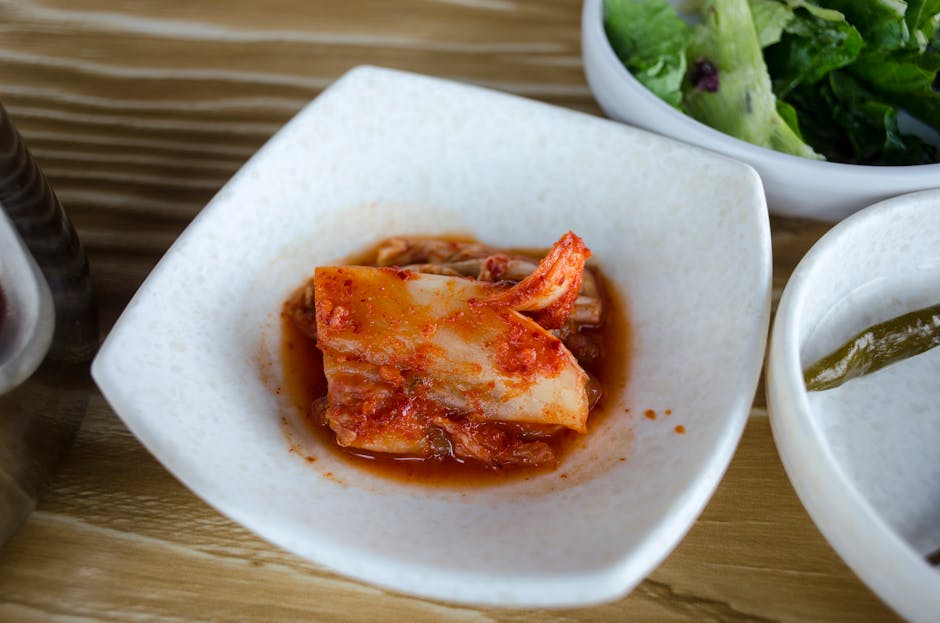
I’ve since tested six versions — different brands, different pasta shapes, cream vs. no cream. What follows is what I actually kept, plus the mistakes I made so you don’t have to.
Why Gochujang Pasta Went Viral in 2020 and Never Really Died
Gochujang has been in Korean kitchens for centuries — a fermented chili paste made from chili powder, glutinous rice, fermented soybeans, and salt. Thick, dark red, savory with a slow-building sweetness. The kind of heat that lingers instead of punches.
The pasta crossover picked up between 2020 and 2022, when the home cooking boom pushed people to raid their pantries. Social media creators started swapping tomato paste for gochujang in cream-based sauces, and something genuinely clicked — the fermented depth mapped almost perfectly onto the umami richness of a vodka-style sauce.
This wasn’t invented on TikTok, though. Fusion pasta with gochujang had already appeared on menus at Korean-American restaurants in LA and New York’s Koreatown by the mid-2010s, quietly building an audience before home cooks caught up. What changed after 2020 was accessibility — once people realized a $6 tub from H Mart could replace expensive specialty ingredients, the barrier collapsed. Korean convenience chains CU and GS25 now sell gochujang pasta sauce in ready-to-heat pouches as a permanent menu item. That kind of domestic integration doesn’t happen for trend-of-the-month dishes.
What Gochujang Pasta Actually Tastes Like (Most Recipes Get This Wrong)
“Spicy and savory” is the lazy description. Here’s what you’re actually tasting when you nail it.
Sweetness: Gochujang has natural sweetness from fermented rice. This is what separates it from sriracha or sambal — it rounds out the heat instead of just stacking on top of it.
Umami depth: The fermented soybean base gives gochujang a low, almost meaty savory note. Combined with parmesan, you’re hitting umami from two completely different food cultures at once. It’s a lot, in the best possible way.
Heat level: Moderate by default. On a 1–10 scale, a standard two-tablespoon gochujang pasta sits around a 4. Korean chili heat builds gradually — don’t evaluate it while it’s still bubbling. Taste it slightly cooled, then decide if you want more.
Cream balance: Heavy cream softens everything. Without it, the fermented edge dominates and the sauce feels one-dimensional. With cream, it becomes something almost luxurious — a Korean take on vodka sauce, which is functionally exactly what it is. Add a small splash of vodka before the cream if you want to go full fusion. It actually tightens the sauce and amplifies the gochujang flavor in a way that surprised me the first time I tried it.
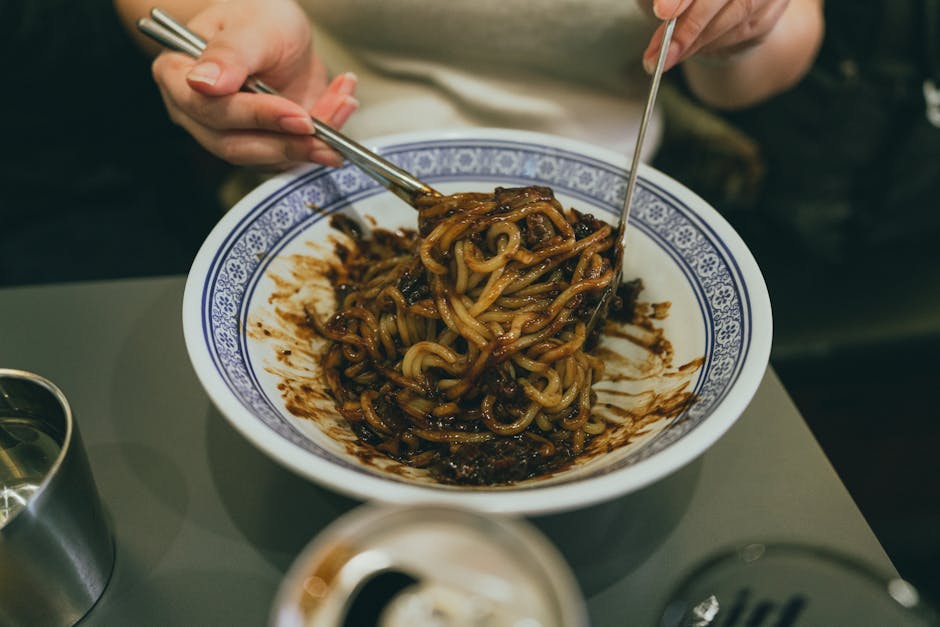
The 20-Minute Weeknight Recipe I’ve Made at Least 30 Times
No padding. Here’s what goes in the pan.
Ingredients (serves 4):
- 400g spaghetti or rigatoni (rigatoni holds the sauce better — more on this below)
- 2 tablespoons gochujang paste (CJ Haechandle, ~$6 for 500g — widely available, well-balanced)
- 4 cloves garlic, minced
- 1 medium onion, finely diced
- ½ cup heavy cream
- ¼ cup pasta water, reserved — don’t skip this
- 2 tablespoons unsalted butter
- 1 tablespoon soy sauce
- 1 teaspoon sesame oil (finish only, added off the heat)
- Parmesan, grated — as much as you want
- Optional: 1 soft-boiled egg, sliced scallions, toasted sesame seeds
Instructions:
- 0–8 min: Boil well-salted pasta water. Cook pasta 1 minute under al dente. Before draining, reserve ¼ cup of pasta water — set it aside now so you don’t forget.
- 5–10 min: While pasta cooks, melt butter in a wide pan over medium heat. Add onion, cook 3 minutes until softened. Add garlic, cook 1 more minute until fragrant but not browned.
- 10–13 min: Add gochujang directly to the pan. Stir it into the butter and onion mixture and let it cook for 1–2 minutes, stirring constantly. This step matters — toasting the paste removes the raw fermented edge and deepens the flavor noticeably. Don’t rush it.
- 13–16 min: Add soy sauce, then pour in the heavy cream. Stir to combine. Add reserved pasta water a splash at a time until the sauce loosens into something silky rather than thick and sticky.
- 16–18 min: Add drained pasta directly into the sauce. Toss aggressively for 1–2 minutes over medium heat. The pasta finishes cooking here and absorbs sauce flavor directly into the noodle. Finish with sesame oil off the heat — adding it while the pan is still on the burner kills the aroma.
- Plate it: Top with parmesan, scallions, sesame seeds, and a soft-boiled egg if you’re going full commitment. Go full commitment.
Total active time: about 20 minutes. The full-cream version runs approximately 613 kcal per serving. A lighter version using less cream and no butter drops to roughly 312 kcal per serving.
Full Cream vs. Light Version — Tested Back-to-Back
I made both on consecutive nights to get a fair comparison. Here’s the honest breakdown:
- Full cream (~613 kcal/serving): Richer, more satisfying. Sauce clings properly and feels like something you’d order at a restaurant. Downside: heavier if you eat a large portion, and leftovers thicken significantly overnight in the fridge.
- Light version (~312 kcal/serving): Swap heavy cream for oat milk plus extra pasta water. The gochujang flavor comes through more sharply — brighter and more aggressive. Slightly less silky texture. Better for lunch or meal prep. Downside: the sauce can break more easily if you rush the emulsification step. Go slower than you think you need to.
My verdict: full cream for dinner guests. Light version for meal prep or the leftovers you’ll eat cold at midnight. (It holds up.)
Rigatoni vs. Spaghetti: This Decision Actually Matters
Spaghetti works and is what most recipes call for. Rigatoni is better. The ridges and hollow center grab the thick gochujang cream sauce in a way that flat noodles can’t — every bite is fully coated rather than lightly dressed.
Penne is a solid middle ground. Linguine is fine if that’s all you have. Avoid angel hair entirely — it clumps, and the sauce weight overwhelms the texture in about 90 seconds flat.
The one-minute-under trick matters here too. Slightly undercooked pasta finishes in the sauce and absorbs flavor directly into the noodle. Mushy pasta in this sauce is a waste of good gochujang.
3 Gochujang Brands Under $8 — The One I Actually Buy and Why
If you have an H Mart, Korean grocery, or Asian supermarket nearby, go there first. You’ll find gochujang for $4–6 per 500g tub with options across spice levels. Best value, widest selection.
No Korean grocery nearby? Here’s what you’ll actually encounter:
- CJ Haechandle (~$6, red plastic tub): Most widely available. Balanced heat and sweetness. What I use for this recipe every time. Downside: the opaque red container makes it impossible to see how much paste is left — scrape the sides before assuming it’s empty.
- Sempio (~$7): Slightly sweeter profile, which works well if you’re cooking for spice-sensitive guests or kids. Downside: harder to find outside of Asian grocery stores, which undercuts the convenience argument.
- Bibigo (~$8, widely available on Amazon): Consistent and reliable if you’re ordering ahead. Slightly milder than CJ Haechandle. Downside: the price premium isn’t really justified by any noticeable flavor difference. You’re paying for the brand recognition.
One firm rule: skip the squeezable tubes. Tub paste has better flavor concentration and gives you more control over quantity. The tubes are convenient packaging for a noticeably worse product.
How to Store and Reheat This Without Wrecking the Sauce
Cream sauce mixed with pasta thickens considerably in the fridge. Store leftovers in an airtight container for up to 3 days.
To reheat: add a tablespoon of water or milk before microwaving in 30-second bursts, stirring between each. Do not microwave it dry — the sauce seizes and turns grainy, and there’s no rescuing it. Stovetop on medium-low with a small splash of water works even better if you have 3 extra minutes.
What surprised me: the flavor genuinely improves on day two. The gochujang mellows and integrates more fully overnight. Cold leftovers straight from the container are a legitimate life choice.
What to Drink With Gochujang Pasta (The Section Every Recipe Skips)
- Korean lager (Hite, Cass, Kloud): Cuts through the richness and complements the spice without competing. This dish is practically anju — Korean drinking food — by design.
- Makgeolli: The slight sweetness and light carbonation of this traditional Korean rice wine plays well against the fermented heat. Unexpected pairing. Excellent result.
- Off-dry Riesling or Gewürztraminer: Handles the spice-plus-cream combination without getting overwhelmed. Avoid anything too dry or tannic — it fights the gochujang instead of working with it.
- Non-alcoholic — cold barley tea (boricha): Nutty, lightly bitter, and it cools the heat gradually rather than amplifying it. Underrated here. Sparkling water with lime works too.
Spice Level Adjustments for a Mixed-Tolerance Table
Cooking for people with wildly different spice tolerances? Make one base sauce and adjust individual servings at the plate — no second pan needed.
- Mild (kids, spice-sensitive guests): 1 tablespoon gochujang, extra cream, no chili flakes. The sweetness dominates pleasantly and the heat is barely detectable.
- Medium (the default recipe): 2 tablespoons gochujang, cream as written. Detectable heat that builds slowly over a few bites.
- Spicy: 3 tablespoons gochujang plus 1 teaspoon gochugaru (Korean red pepper flakes). More forward heat and deeper color. Add extra pasta water to keep the sauce from seizing up.
- Nuclear: 3 tablespoons gochujang, 1 tablespoon gochugaru, a teaspoon of chili crisp as a garnish. Not for everyone. Absolutely the right move with a cold beer.
Related: I Made Low-Sodium Kimchi for 8 Weeks With $6 of Ingredients — Here’s What the Science Actually Says
Frequently Asked Questions
What is gochujang pasta?
Gochujang pasta is a Korean-Italian fusion dish using fermented Korean chili paste as the base for a creamy pasta sauce. The sauce combines gochujang with butter, garlic, onion, and heavy cream, finished with parmesan and sesame oil. The flavor sits somewhere between a vodka sauce and a Korean stir-fry glaze — spicy, savory, and slightly sweet. It went mainstream through social media around 2020–2022 and has since become a regular in Korean-American home cooking.
How do you make creamy gochujang pasta in under 20 minutes?
Cook pasta while you build the sauce simultaneously. Sauté diced onion and garlic in butter for 4 minutes, add 2 tablespoons gochujang and toast it for 1–2 minutes, then add soy sauce and heavy cream. Thin with reserved pasta water to your preferred consistency. Add pasta (cooked 1 minute under al dente) directly into the sauce and toss for 2 minutes over heat. Finish with sesame oil off the heat. Total active time: 18–20 minutes.
Where can I buy gochujang paste?
H Mart, Korean grocery stores, and Asian supermarkets carry gochujang for $4–8 per tub with the widest selection. Whole Foods, Walmart, and Target stock it in the international aisle. Amazon carries CJ Haechandle and Bibigo with reliable availability. CJ Haechandle in the red plastic tub is what I’d recommend — consistent flavor, widely available, around $6. Avoid squeezable tube formats; the paste tub has better flavor concentration.
Is gochujang pasta spicy, and how do I adjust the heat?
At 2 tablespoons in a 4-serving recipe, it sits at moderate heat — noticeable but not overwhelming. The fermented sweetness in gochujang actually softens the perceived heat compared to sriracha. To reduce spice, drop to 1 tablespoon and increase cream slightly. To raise it, add gochugaru alongside the gochujang, or finish with chili crisp. Gochujang heat builds gradually rather than hitting immediately, so taste it slightly cooled before adding more — the sauce changes character as it settles.
What pasta shapes work best for gochujang pasta?
Rigatoni is the best choice — the ridges and hollow center hold the thick, creamy sauce exceptionally well. Penne is a close second for the same structural reasons. Spaghetti works but delivers less consistent sauce coverage per bite. Avoid angel hair entirely — it clumps and gets overwhelmed by the sauce weight within minutes. Short, ridged pasta outperforms long, thin noodles in any heavy cream-based sauce.