


“`html
Five years ago, I got turned away from a samgyeopsal restaurant in Mapo-gu for being alone. Not rudely — just a firm “we need at least two people.” I stood on the street feeling equal parts embarrassed and furious. Last month, I ordered a single portion of kimchi jjigae to my apartment at 10pm, no minimum order, delivered in 28 minutes, for 8,500 won (~$6.30). That gap is the entire story of Korea’s one bowl originality solo dining trend — and it happened faster than anyone expected.
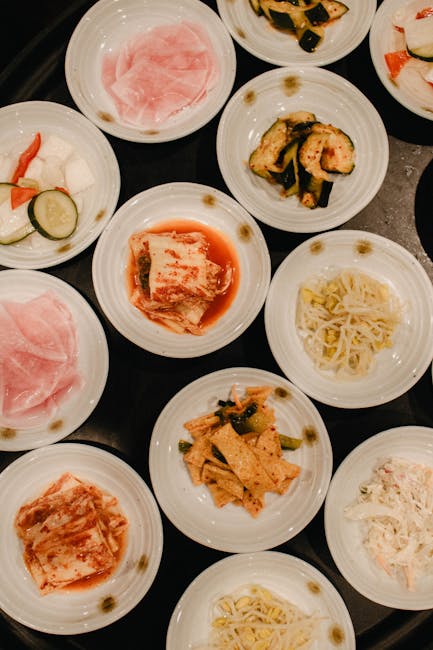
This isn’t a vibe shift. It’s a structural market rebuild that took roughly 24 months, involved one delivery app, a demographic crisis, and a government pilot program. Other markets are now following the blueprint.
Why 10 Million Solo Eaters Had Nowhere to Go
Korea’s single-person household rate hit 42% in 2025 — over 10 million households, per the Ministry of the Interior and Safety. Meanwhile, most traditional Korean restaurants were structurally built for groups: a pot of doenjang jjigae feeds two, a samgyeopsal grill needs at least a duo to justify the gas and prep.
Ask for a solo portion at a meat restaurant and you’d get a polite “sorry, we don’t do that.” This wasn’t attitude — it was economics. Halving a recipe doesn’t halve costs. Prep time, ingredient minimums, and gas stay roughly the same, which kills margins on a single order for a restaurant already running thin.
The result: millions of solo eaters, and a food service industry structurally unable to serve them. That gap had to crack eventually — and in early 2025, it did.
Baemin Single-Bowl vs. Standard Delivery: What Actually Changed
Baedal Minjok (배달민족) — Korea’s dominant food delivery app, think DoorDash but culturally embedded in a way DoorDash never managed — launched a dedicated single-bowl delivery service in early 2025. One portion, no minimum order, no economic penalty for ordering alone.
Before this, Korean delivery platforms required minimum spends of 12,000–15,000 won (~$9–$11). A single serving of rice and soup costs about 7,000 won. You were either overpaying for food you didn’t want or padding the order with sides to hit the threshold. Every single time.
Baemin’s single-bowl service eliminated that for participating restaurants. The results were hard to argue with: 1 million users within two months of launch (Time Magazine, 2025), and 10 million total orders by October 2025 (Korea Bizwire, 2025).
The downside nobody mentions: Not every restaurant on Baemin opted in. Participating spots skew toward smaller, simpler menus — mostly rice bowls, jjigae, gukbap. If you want galbi-jjim or a full banchan spread delivered solo, you’re still largely out of luck. The single-bowl service solved a real problem but didn’t solve all of Korean cuisine.
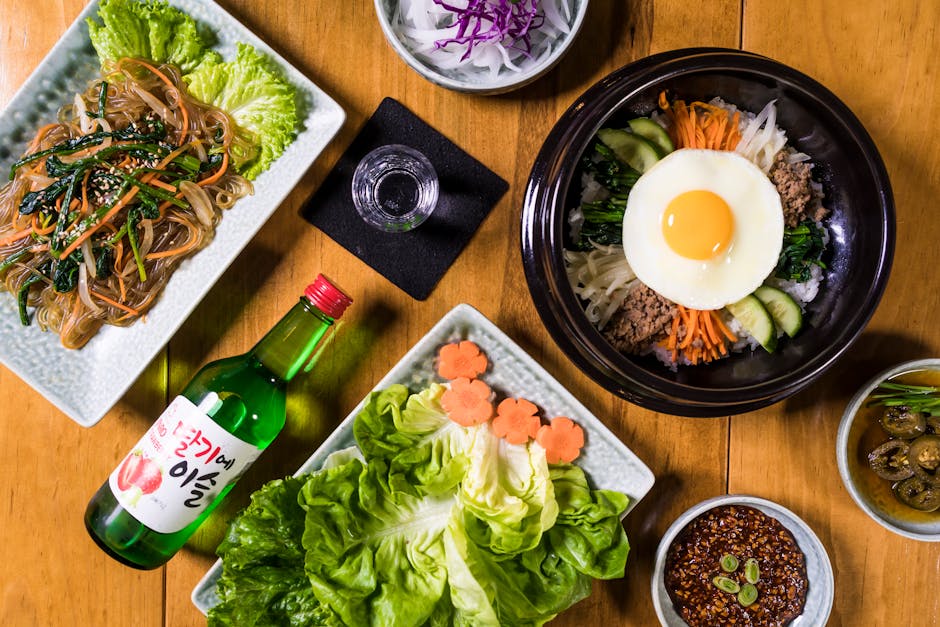
Traditional 식당 vs. 1인 식당: The Restaurant Split Happening Right Now
Traditional Korean restaurants — samgyeopsal, shabu-shabu, large hotpots — still require two-person minimums in most cases. The operational economics haven’t changed, just the cultural pressure around them. Don’t expect a solo galbi option at a full-service grill place anytime soon.
On the other side, a distinct category of 1인 식당 (one-person restaurants) has emerged fast. Counter seating. Individual portion menus. Tablet or QR ordering to remove the “table for one?” social friction entirely. Some have individual booth partitions — a concept Korea borrowed from Japanese ramen counters and fully localized.
Here’s the practical difference:
- Traditional 식당: 2-person minimums, group cooking format, per-person pricing that doesn’t scale down, staff who may visibly hesitate when one person walks in
- 1인 식당: Counter or booth seating, single-serve menus priced 8,000–13,000 won (~$6–$10), no minimum, faster service because the format is designed around throughput
Honest downside of 1인 식당: The booth partition format can feel less like “personal space” and more like a cubicle. I’ve eaten in a few that felt genuinely uncomfortable. Quality varies wildly — the format is popular enough now that some spots are cashing in on the concept without the food to back it up.
3 Solo Dining Options That Actually Work in Korea (With Real Prices)
These are the formats that work in practice — not in theory, but when you’re hungry and alone at 9pm on a Tuesday.
1. Gukbap spots (국밥) — 9,000–12,000 won (~$6.70–$9)
Rice soup restaurants have always been de facto solo dining infrastructure. A single bowl of gamja-tang or haejangguk, fast service, no ordering pressure, counter or small table seating. This is the original honbap experience before it had a name.
Downside: Limited variety. If you want anything beyond soup and rice, gukbap isn’t it.
2. Baemin single-bowl delivery — 7,500–11,000 won (~$5.50–$8.20) delivered
Filter for “1인분” on the app. No minimum order. Participating restaurants are tagged. Best for weeknight meals when you’re not leaving the apartment.
Downside: Delivery fees of 2,000–3,000 won still apply, selection is narrower than the full Baemin catalog, and peak hours push wait times to 40–50 minutes.
3. Convenience store meals (CU, GS25) — 4,500–8,000 won (~$3.30–$6)
Triangle kimbap plus cup ramen plus canned coffee is a perfectly valid lunch. Korean convenience stores figured out solo dining a decade before restaurants did. The onigiri at CU in particular is genuinely good — I’d put it against a mid-range café sandwich without hesitation.
Downside: Not a sit-down experience. If you’re eating alone because you want to decompress, standing at a convenience store counter isn’t the same as a proper meal.
The Real Driver: Burnout, Not Just Demographics
Here’s the part I don’t see covered elsewhere. Korea ranks near the bottom of OECD nations for work-life balance. The concept of gwarosa (과로사) — death from overwork — is a recognized social problem. In 2025, the Korean government announced a pilot program for a four-and-a-half day workweek specifically in response to burnout and declining birth rates.
For a lot of younger Koreans, honbap isn’t about being lonely. It’s about being free. Free from the social choreography of group meals. Free from making conversation when you have nothing left to give. A single bowl of bibimbap in your apartment, video playing, no one expecting anything from you — that’s not sad. That’s recovery.
In a Baemin survey of 100,000 respondents in 2025, more than 90% said they watch videos while eating alone. Solo dining in Korea has become a ritual around content and decompression — and that psychological function means demand won’t shrink even if household numbers plateau.
Worth noting on nutrition: A single serving of dolsot bibimbap or kimchi jjigae runs 500–700 kcal and hits protein, vegetables, and fermented foods in one bowl. A Western fast food “single serving” — burger and fries — doesn’t come close on nutritional balance.
Who’s Actually Copying Korea’s Model (Specific Evidence, Not Vibes)
China had an estimated 92 million single-person households as of 2023. Meituan confirmed a minimum-order-free single portion delivery pilot in Shanghai, Shenzhen, and Chengdu in a November 2024 investor briefing, framing it explicitly as a response to rising solo household demand. That’s not “watching” Korea’s model. That’s implementing it.
Japan was already ahead on restaurant design — ramen counters, yoshoku solo booths — but its delivery infrastructure lagged Korea’s. Korea’s specific contribution is the delivery-first single portion model: dense urban population, long hours, small apartments, delivery as the default first choice.
Singapore’s GrabFood ran a limited “solo meal” promotional filter in Q1 2025 — not a structural change yet, but a documented market test that tracks directly to the Korean model. Taiwan’s Foodpanda is in a similar exploratory phase. These aren’t coincidences; they’re a playbook being adopted market by market.
Make the Single Bowl at Home for Under $5
If you’re outside Korea and want the honbap experience without the flight, a single portion of kimchi jjigae is easy and costs almost nothing.
What you need (one person, ~20 minutes):
- 100g pork belly or one small can of Spam (~$1.50)
- ½ cup aged kimchi — the older the better (~$0.80 from a Korean grocery)
- ½ block firm tofu (~$0.60)
- 1 tsp gochugaru, 1 tsp sesame oil, anchovy broth or water (~$0.30)
- One rice cooker serving of short-grain rice (~$0.40)
Brown the pork, add kimchi and gochugaru, pour in broth, simmer 10 minutes, add tofu. Done. Under $4, under 600 kcal, one bowl, no minimum order required.
Downside: Aged kimchi is hard to find outside Korean grocery stores. Fresh kimchi won’t give you the same fermented depth. If that’s all you can find, add a small splash of rice vinegar to compensate.
Frequently Asked Questions
What is the one bowl originality Korean solo dining trend?
It’s the shift in Korea toward individually portioned, single-serving meals designed for one person — in restaurants, via delivery apps, and in convenience stores. Triggered by Korea’s 42% single-person household rate (2025) and accelerated by Baemin’s single-bowl delivery service, which hit 10 million orders by October 2025. The “originality” refers to Korea building the operational template — single portion, no minimum order, delivery-first — that other Asian markets are now adopting.
Why do Korean restaurants still refuse solo diners for some dishes?
Operational economics. Samgyeopsal, shabu-shabu, and large jjigae pots are priced and prepped for two-person minimums. Halving a recipe doesn’t halve costs — gas, prep time, and ingredient minimums stay roughly the same. Small restaurants on thin margins can’t easily absorb that revenue gap. This is changing slowly as solo diners become too large a customer segment to ignore, but don’t expect a full-service samgyeopsal solo option anytime soon.
How does Baemin’s single-bowl service work in practice?
Filter for “1인분” (one portion) on the Baemin app, or look for restaurants tagged under the single-bowl service. No minimum order for participating restaurants. Delivery fees of 2,000–3,000 won still apply. Meals typically run 7,500–11,000 won delivered. Selection skews toward rice bowls, jjigae, and gukbap — not the full range of Korean cuisine.
Is the solo dining trend spreading outside Korea?
Yes, with documented evidence. Meituan confirmed a single-portion, minimum-order-free delivery pilot in Shanghai, Shenzhen, and Chengdu in a November 2024 investor briefing. Singapore’s GrabFood tested a “solo meal” filter in Q1 2025. Taiwan’s Foodpanda is in an exploratory phase. Japan had solo restaurant design down first but lagged on delivery infrastructure — Korea’s specific contribution is the delivery-first single portion model.
What are the best solo dining options if I visit Korea?
Gukbap restaurants (9,000–12,000 won) are the most reliable — single bowl, fast, no social friction. Baemin for delivery if you’re in an apartment. Korean convenience stores (CU, GS25) for 4,500–8,000 won meals that are better than their reputation. Department store food halls at Lotte and Shinsegae now have dedicated solo dining counters with individual seating — worth checking if you’re near one.