
“`html
I spent three months ordering the same bibimbap kit every week, following the instructions exactly, and producing something I can only describe as sad. Not bad enough to complain about. Not good enough to actually enjoy. Just… there.

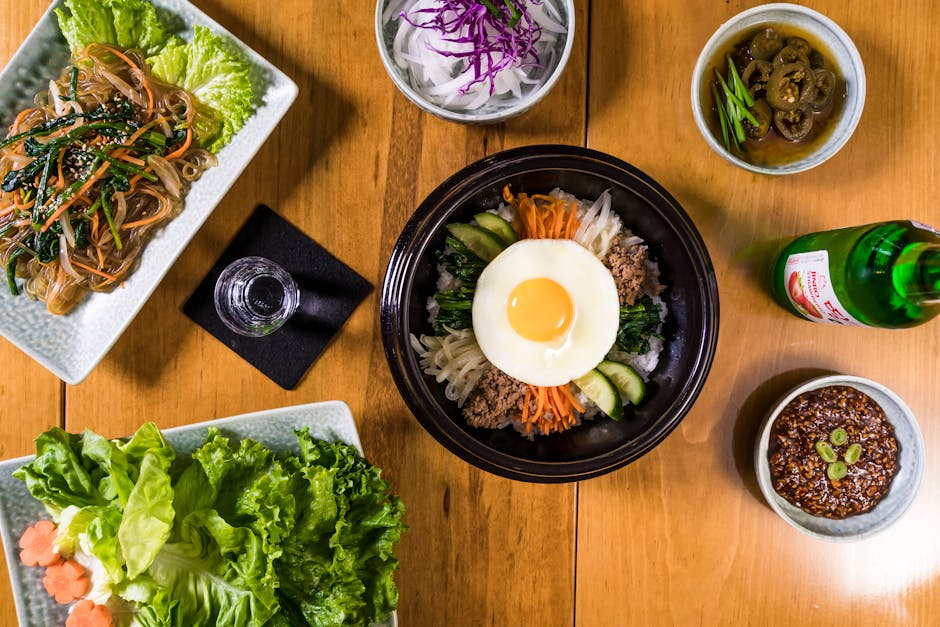
Then I started messing with the boxes — swapping the sauce packets, raiding my pantry, rebuilding the macros from scratch. One Tuesday night it clicked, and I haven’t cooked a kit straight from the instructions since.
This is what I learned.
Why Meal Kit Instructions Are Designed to Disappoint You
Kit recipes are calibrated for the middle: medium spice, medium salt, flavor that won’t offend anyone. That’s not a bug — they’re writing for millions of people at once. But it means the default result tastes like a restaurant approximation of Korean food, not Korean food.
The seasoning packets are sweetened and high-sodium to survive shipping. The vegetables are blanched to a uniform, shelf-stable tenderness. The gochujang sauce is diluted. Every decision that made the kit scalable also made it worse.
The fix isn’t a different kit. It’s treating the box as a prep service — and finishing the dish yourself.
5 Pantry Staples That Fix Any Korean Meal Kit (Total: ~$25, Lasts Months)
You don’t need a full Korean pantry. You need these five things. Buy them once, use them for months.
1. CJ Haechandle Gochujang — ~$5 for 500g at H-Mart
Throw away the sauce packet. This tub has actual fermented funk the packets can’t replicate. One tablespoon replaces the entire packet and cuts the sugar content significantly.
Downside: Finish it within 3–4 months once opened, and it takes up a chunk of fridge real estate.
2. Sempio Doenjang (fermented soybean paste) — ~$6 at Asian grocery stores
Half a teaspoon stirred into any broth-based kit component adds hours of simmer depth in under a minute. This is the single ingredient that makes homemade Korean soup taste like restaurant Korean soup.
Downside: The smell straight from the jar is aggressively funky. Trust the process.
3. Korean sesame oil (참기름) — ~$4–6
Darker and more intensely nutty than generic sesame oil. A few drops added at the very end of cooking changes the entire aromatic profile — don’t add it during cooking, heat kills it.
Downside: Goes rancid faster than regular oils. Buy the small bottle unless you cook Korean food multiple times a week.
4. Maesil green plum syrup — ~$8–12 at Korean grocery stores
This replaces refined sugar in most Korean dishes and adds a slightly fruity, acidic brightness. Wherever a kit recipe calls for sugar or corn syrup, use this instead — Chung Jung One brand is reliable.
Downside: Hard to find outside major cities. Order online if you have to.
5. Roasted gim (seaweed sheets) — ~$3–5
Crumble over finished bibimbap or grain bowls instead of whatever garnish came in the kit. Adds texture, a hit of iodine, and that distinctly Korean finishing flavor.
Downside: Goes stale fast once opened. Use a bag clip or it’s trash within a few days.
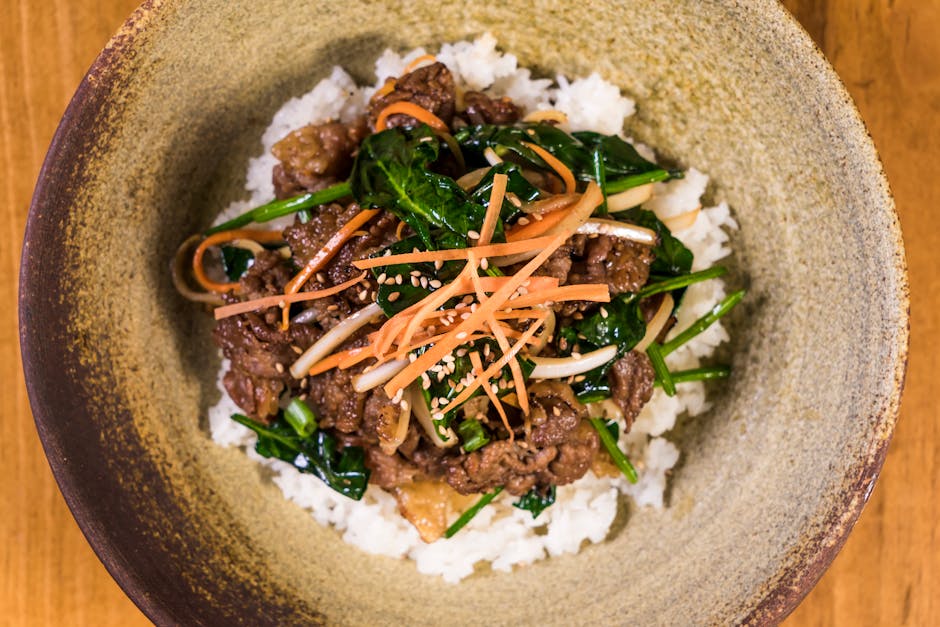
DIY Macro Bibimbap vs. Kit-As-Written: The 15-Minute Blueprint
This is the formula I use every week. It takes a standard bibimbap kit and restructures it around actual nutrition goals — without losing the flavor that makes bibimbap worth eating.
The rice swap: Replace 50% of the white rice with cauliflower rice or brown rice. The gochujang and sesame oil mask the cauliflower almost completely, and you drop roughly 100 calories while adding fiber. Korean grandmothers have been cutting white rice with barley (보리밥) for generations — same idea, different grain.
The protein move: Most kits give you 80–100g of beef or 150g of tofu — not enough for a complete meal. Double the protein. A soft-boiled egg (7 minutes exactly, then ice bath) costs almost nothing, adds 6g of protein, and its yolk becomes part of the sauce when you mix everything together.
The actual recipe (1 serving, ~15 minutes):
- 100g cooked brown rice + 100g cauliflower rice, mixed
- Kit vegetables, flash-fried in sesame oil for 90 seconds instead of served cold
- Kit protein + 1 soft-boiled egg
- Sauce: 1 tbsp gochujang + 1 tsp maesil syrup + 1 tsp sesame oil + 1 tsp rice vinegar + 1 tsp water, mixed
- Finish: crumbled gim, toasted sesame seeds, sliced scallion
Approximate macros: 480–520 calories, 32g protein, 52g carbs, 16g fat. A complete meal, not a snack with ambition.
Low-Carb Tteokbokki That Doesn’t Taste Like a Lie
Real talk: tteokbokki is the hardest Korean dish to modify because the rice cakes are the dish. Anyone claiming konjac rice cakes taste identical is wrong. They don’t. But they can be made genuinely good with the right technique.
The ratio that works: Replace 60% of the rice cakes with konjac (shirataki) rice cake shapes — H-Mart carries them for about $3/pack. Keep 40% of the original rice cakes. The real ones provide enough chew to make the whole bowl feel legitimate instead of punishing.
Amplify the sauce to compensate: Add ½ tsp doenjang and a splash of anchovy broth (from a dashi packet, ~$5 for a large box at any Asian grocery) to the kit’s sauce packet. Deeper flavor means you don’t notice you’re eating fewer carbs.
Add protein that belongs there anyway: Hard-boiled eggs are a traditional tteokbokki addition — not a health hack. Add two, plus any extra fish cake (eomuk) you can grab from a separate H-Mart run.
Honest downside: Konjac rice cakes smell faintly rubbery straight from the package. Rinse under hot water for 30 seconds, then dry-toast in a pan for 2 minutes before adding to the sauce. This fixes about 80% of the problem.
Pre-Customized “Healthy” Kits vs. DIY: Which Is Actually Worth It?
Several services now sell pre-customized Korean kits — vegan, gluten-free, low-sodium. HelloFresh has tested Korean flavors. Korean platforms like Freshcode and Market Kurly offer dietary-specific subscription tiers. Here’s whether DIY is still worth the effort.
| Factor | Pre-Customized Kit | DIY Customization |
|---|---|---|
| Cost per meal | $12–$18 (specialty diet premium) | $6–$10 after pantry staples absorbed |
| Flavor authenticity | Moderate — optimized for broad appeal | High — you control the fermented paste ratio |
| Time investment | Low — just follow instructions | Medium — 10–15 extra minutes |
| Macro control | Fixed by the brand | Full — you adjust to your actual goals |
| Allergy safety | Easier — pre-vetted labels | Requires label reading every time |
My honest take: pre-customized kits make sense if you’re new to Korean cooking or managing a serious allergy. DIY wins on flavor, cost, and flexibility once your pantry is stocked. The initial $20–25 investment in gochujang, doenjang, and sesame oil pays back within 3–4 weeks compared to specialty kit premiums.
3 Regional Flavor Profiles — and Which Direction to Push Your Kit
Standard international K-Food kits default to a vague Seoul-style flavor: accessible, mild, not particularly distinctive. Korea’s regional differences are significant, and knowing which direction to push makes customization more intentional than just “add more gochujang.”
Seoul/Gyeonggi style — lighter, subtly sweet. Reduce the kit’s sauce packet by 30% and add a small amount of maesil syrup. The most forgiving profile for everyday cooking and new cooks.
Jeonju (Jeolla province) style — richer, more complex. Jeolla bibimbap is built on beef broth with more doenjang throughout. Add a ladle of any beef-based broth to your bibimbap base before mixing. This is the version that makes people ask what you did differently.
Busan (Gyeongsang province) style — saltier, spicier, seafood-forward. Amplify any seafood component. Add dried anchovies to broth if there’s a soup element. Increase gochujang by about 50%. Busan food does not do subtle.
Why Modifying Your Kit Makes the Health Habit Actually Stick
This part doesn’t show up in meal kit reviews, but it’s the reason Korean meal kit customization works as a long-term DIY health strategy rather than a two-week experiment.
Behavioral nutrition research consistently finds that people who actively modify their food — even small changes — report higher meal satisfaction and stick to dietary habits longer than people who just order the “healthy” option. You’re not eating cauliflower rice bibimbap. You’re the person who makes cauliflower rice bibimbap. That identity piece matters more than it sounds.
Korean food has a word for this: son-mat (손맛), literally “hand taste” — the idea that food made by specific hands tastes different, better, more alive. Adjusting the gochujang ratio or adding your own doenjang means you’re participating in that tradition. Even at 7pm on a Tuesday in a tiny apartment kitchen.
The market reflects this shift. South Korea’s subscription meal kit market hit USD 340.36 million in 2025 and is projected to reach USD 930.82 million by 2034 — driven largely by single-person households and health-focused customization demand. The infrastructure is getting better every year: fresher base ingredients, faster delivery, more authentic components in the boxes themselves.
Related: I Ate All 5 GS25 Rice Hotteok Flavors So You Don’t Waste ₩1,500 on the Wrong One
Frequently Asked Questions
What are the best Korean meal kits for health-conscious diets?
For genuine macro control, the most practical approach is using any mid-tier kit as a base and customizing with your own gochujang, doenjang, and protein additions. Korean platforms like Freshcode and Market Kurly tend to have cleaner ingredient lists and fresher produce than international services. If you’re outside Korea, HelloFresh occasionally offers Korean-inspired boxes — the flavors are limited but the base components are workable. Pre-customized “healthy” versions exist but cost $12–18 per serving and lock your macros to the brand’s choices.
How do I customize a Korean meal kit for vegan or gluten-free diets?
Vegan swaps are straightforward: doenjang and most gochujang brands are vegan (check for anchovy additives), and extra-firm tofu pressed for 20 minutes before cooking is a solid protein replacement. For gluten-free, the main issue is soy sauce — most Korean ganjang contains wheat. Replace it with San-J tamari (~$6, widely available). Some gochujang brands use wheat flour as a thickener; H-Mart carries rice-based gochujang alternatives. Read the label on every packet in the kit, not just the main components.
Are DIY Korean meal kits cheaper than eating out?
Yes, significantly. Korean restaurant meals run $15–25 per person in most major cities. A standard K-Food kit base costs $8–14 per serving, dropping to $6–10 once your pantry staples are already bought. One real caveat: specialty diet premium kits (vegan-certified, gluten-free) cost $12–18 per serving, which narrows the gap considerably. For budget-focused healthy eating, a standard kit plus your own customization consistently beats both restaurant prices and pre-customized specialty boxes.
How does Korean meal kit customization connect to the DIY health trend?
Korean fermented ingredients — gochujang, doenjang, kimchi — are genuinely functional foods with documented gut-health benefits. The health trend caught up to what Korean cuisine already was, rather than Korean food reinventing itself for wellness marketing. DIY customization builds on this by reducing refined sugar (maesil syrup instead of corn syrup), adding whole grain alternatives, and controlling sodium through homemade broth bases. The cuisine’s inherent vegetable density — namul side dishes, seaweed, kimchi — also aligns with current dietary recommendations without requiring significant modification.