


“`html
I Photographed 3 Weeks of Seoul Street Style — Here’s the Formula Everyone Was Using
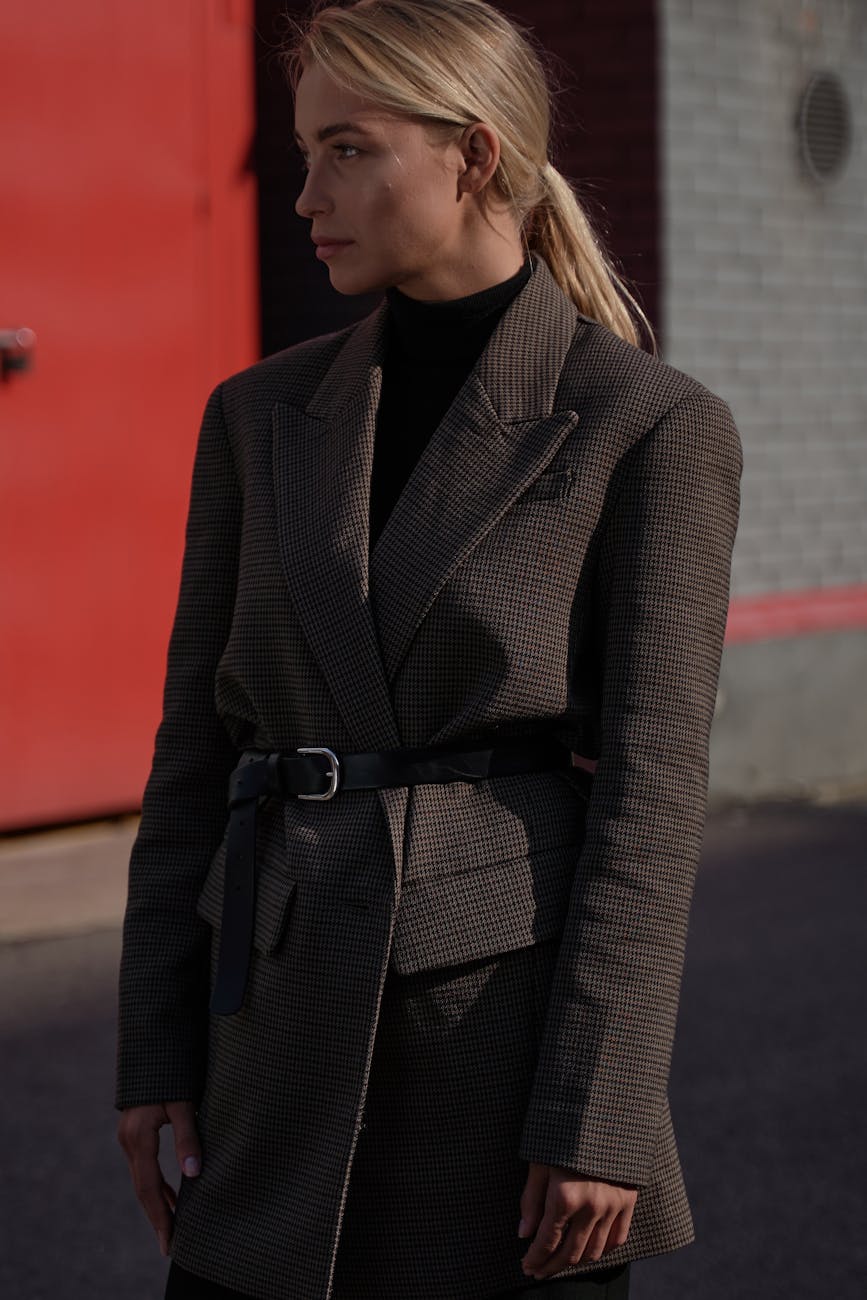
Last spring I spent three weeks in Hongdae photographing every oversized blazer outfit I could find. Almost everyone walking out of a café looked effortlessly put together — and almost all of them were wearing the same basic silhouette: a slightly-too-big, slightly-wrinkled blazer thrown on like an afterthought that somehow looked like a complete outfit.
I came home, reverse-engineered every look, and spent the next month testing combinations on my own wardrobe. Here’s what actually works — including the parts most style guides skip.
Why Korean Oversized Blazers Look Different From the One in Your Closet
Most Western blazers skim your body. Korean oversized blazers are intentionally boxy — often cut two to three sizes above your actual measurement. The shoulder seam drops to mid-upper arm, the hem hits at the hip or below, and the fabric drapes instead of holding shape.
Brands on Musinsa and W Concept treat that loose fit as the deliberate silhouette — not an accident. If yours looks like an old work blazer, you sized down too far.
Sizing note: Korean sizing runs noticeably small. If you normally wear a US medium, go Korean large or XL for the authentic drape. On Zigzag or ABLY, add at least two sizes. This is the most common mistake I see — don’t skip it.
The 3-Piece Formula I Use for Every Outfit (Korean Approach vs. Western Approach)
Most people look awkward in an oversized blazer because they style it like a regular jacket. Think of it as the anchor piece instead — everything else needs to be fitted or simple.
Here’s the formula I keep coming back to:
- Bottom: Straight-leg or wide-leg jeans — not skinny, which creates too much volume competition
- Top: Fitted ribbed tank or a plain white tee, tucked loosely at the front only
- Blazer: One to two sizes above your Korean size, sleeves pushed up once
The beige blazer with blue jeans combination dominates Korean street style for a reason — warm neutral top, cool denim bottom, instant contrast with zero overthinking. Push the sleeves up once, leave two buttons undone, don’t tuck the blazer in. Done in four minutes.
The core difference between Korean and Western styling:
- Western approach: Blazer tucked and belted, pointed heels, structured tote → reads “office polished”
- Korean approach: Blazer loose and open, simple tank underneath, straight jeans, chunky loafers, micro bag → reads “effortless and deliberate”
Korean oversized blazer styling is built on proportion contrast and restraint. The blazer is big, so everything else stays small or simple. That’s the whole system — and where most people go wrong by adding too much on top of it.
Where to Actually Buy One: $25 Budget Picks vs. $120 Splurge
You don’t need to spend $150 to get the look right. You need the right cut, not the right label. But the differences between price points are real.
Budget ($25–$50):
- Uniqlo Linen Tailored Blazer (~$50): Not marketed as Korean, but the boxy cut and clean drape mirror what’s trending on Musinsa right now. Available in-store and online. Downside: Limited to neutrals — no asymmetrical buttons or upturned collar details.
- Etsy Korean sellers ($30–$60): Search “Korean blazer oversized asymmetrical button” and filter by bestseller. Top-reviewed listings ship from Korea in 10–14 days. Downside: Sizing info is often inconsistent — message the seller for exact measurements before ordering. Returns from Korea are expensive and slow.
- TikTok Shop ($20–$35): High volume, lots of options for spring and autumn loose fits. Downside: Quality is genuinely hit or miss. Only buy from listings with photo reviews — fabric weight and construction vary wildly at this price.
Mid-range ($60–$120):
- W Concept (ships internationally): Carries actual Korean indie brands. The quality jump is real — thicker fabric, better lining, more interesting silhouettes like upturned collar and asymmetric hem styles. Downside: Shipping takes 7–14 days and returns are complicated.
- Musinsa Global (~₩60,000–₩120,000, roughly $45–$90 USD): This is where Seoul street style actually sources its pieces. Recently opened to international shipping. Downside: The interface isn’t fully translated, and some brands still don’t ship outside Korea — check before you fall in love with something.
Splurge ($120+): Korean designer blazers from W Concept or through a buying service like Creatrip are built differently — French seams, weighted hems, fabrics that drape instead of pulling. Downside: At this price, fit matters even more. An oversized cut that doesn’t drape correctly at $150+ is painful to return. Know your measurements before ordering.
4 Outfit Formulas by Body Type (Because “One Size Fits All” Advice Doesn’t)
Petite (Under 5’4″)
Go for a cropped oversized blazer rather than full-length — you get the volume without losing your frame. Pair with high-waisted straight jeans and a simple white tee. What doesn’t work: Midi-length blazers that hit mid-thigh cut your leg line and read shorter. If you’re set on a longer style, tuck one side asymmetrically to expose a sliver of waist.
Tall (5’8″+)
You can pull off the long blazer that shorter frames struggle with — a hem hitting at mid-thigh looks editorial on a taller silhouette. Pair with straight-leg or wide-leg trousers for a Seoul office-to-café look. What doesn’t work: Cropped blazers on taller frames can look proportionally small and unintentional rather than fitted.
Plus-Size
The boxy drape creates clean vertical lines, which is genuinely flattering. Go for structured (not droopy) shoulders so the silhouette reads intentional. A long blazer in a dark neutral, worn open over a monochromatic outfit, is a reliable formula. What doesn’t work: Stiff or heavy canvas fabrics add bulk rather than drape — look for linen, soft tweed, or ponte instead.
Curvy or Hourglass
Pick one thing to emphasize: the blazer’s shape or your own. For the full K-fashion look, go boxy with straight-leg jeans. If you want to hint at your waist, try a thin leather belt loosely over the blazer — not belted tightly, which reads as a completely different aesthetic. What doesn’t work: A tight belt with the rest of the outfit oversized creates a proportion clash that looks unresolved rather than intentional.
How to Wear It Year-Round (Not Just in Spring)
Spring: Layer a sheer white top or a pastel ribbed knit vest under the blazer. Korean spring looks right now are built on exactly this: sheer base, lightweight linen blazer over top, pastels throughout.
Summer: Linen blazer, bralette or bandeau underneath, wide-leg linen pants. The loose fit actually allows more airflow than a fitted top. Honest downside: Linen in humidity wrinkles fast and can feel clammy. This formula works best in dry heat.
Autumn: Layer the blazer under a long trench or over a slim ribbed knit cardigan. It sounds like too much, but if the knit is fitted and the blazer is boxy, the proportions hold cleanly.
Winter: Use the blazer as a mid-layer under an oversized puffer or wool coat. A charcoal blazer under a camel wool coat with dark straight-leg jeans is one of the cleanest winter outfits I’ve put together — it adds structure that knitwear can’t. Honest downside: Only works if your outer coat is roomy enough at the shoulders. Bunching ruins it.
The 5 Accessories That Finish the Look (And 2 That Kill It)
Bags: Mini bags or micro-totes only. A large tote next to a large blazer reads messy, not coordinated. A tiny structured shoulder bag or micro crescent bag hits the proportion sweet spot.
Shoes: Chunky loafers (very Hongdae street style) or simple white low-top sneakers are the two most reliable choices. Ballet flats are having a strong moment in Korean spring looks and pair cleanly with the boxy silhouette. Heels work but push the look toward formal territory.
Jewelry: Small gold hoops, a simple chain necklace, or one architectural ring. Don’t stack — the blazer is already the statement.
Hair: Low bun or half-up clips keep the collar area clean so the blazer’s neckline reads clearly. Avoid voluminous blowouts that compete with the shoulder width.
Makeup: Korean pairings go one of two directions — barely-there base with a bold lip, or full glass skin with zero color. Skip heavy contouring, which fights the effortless aesthetic.
Two things that kill the look: A large structured handbag (throws off the proportions) and heavy platform boots with a full-length blazer (too much volume at both ends).
Related: I Wore a $67 Korean Oversized Blazer Every Day for a Week — 5 Outfits, Honest Results
Related: I Wore a Korean Oversized Blazer 5 Ways in One Week — Here’s What Actually Worked
Related: Korean Poet Core Fashion 2026: 5 Pieces, Real Prices, and Who It Won’t Work For
Related: I Spent $160 Copying a $600 Korean Balloon-Sleeve Look — Here’s the Exact Shopping List
Related: 7 Musinsa Standard SS26 Outfits From $88–$147 (I Tested All of Them)
Frequently Asked Questions
How do you style an oversized Korean blazer with jeans for everyday wear?
Pair your oversized blazer with straight-leg or wide-leg jeans — skinny jeans create too much volume conflict. Underneath, go with a fitted ribbed tank or a simple white tee, loosely tucked at the front only. Leave the blazer open or button just the middle button, and push the sleeves up once. Add a mini bag and chunky loafers and you have a complete outfit in under five minutes. The beige blazer with blue jeans combination is the most reliable starting point — the warm-cool contrast is built in.
What Korean blazer styles are trending right now?
On Musinsa and Zigzag right now, the cropped oversized blazer and the sheer-layered blazer look are the most visible — think blazer worn open over a sheer or pastel knit layer. The upturned collar blazer is gaining traction for a more editorial edge. Linen and soft structured fabrics in beige, cream, and charcoal are the most-stocked colorways. Tweed blazers are also appearing in Korean street style as a textured option for autumn.
Can an oversized blazer be worn casually, or does it always read as office wear?
Casually — that’s the entire Korean approach to it. Paired with jeans, a tank, and sneakers, the blazer reads completely casual. It only shifts toward office territory when you add tailored trousers and pointed flats. The one situation where it genuinely doesn’t work casually: very humid heat, where any blazer becomes uncomfortable regardless of fabric.
What colors work best for a Korean oversized blazer?
Neutrals dominate for a reason — beige, cream, oatmeal, and charcoal layer easily and don’t clash with varied basics. If you want more personality, dusty pink and sage green are trending in Korean spring outfits right now. Avoid very bright colors for your first blazer — they’re harder to style and limit your options significantly while you’re still learning the formula.
Are Korean oversized blazers on Etsy worth buying?
The bestselling asymmetrical-button styles consistently earn four and five-star reviews, which suggests they’re delivering at the $30–$60 price point. “Korean” on Etsy means Korean-style sizing and construction — not pieces from a major Korean fashion house. For actual Korean brand pieces with better fabric, Musinsa Global or W Concept are more reliable. Always message Etsy sellers for exact measurements before ordering — returns from Korean sellers are expensive and slow.
Does the oversized blazer work for all body types?
Mostly yes, with caveats. The boxy silhouette creates clean vertical lines that genuinely flatter a wide range of proportions. Where it struggles: petite frames in full-length styles (go cropped instead), and anyone with a very narrow shoulder line where droopy seams look accidental rather than relaxed. Fit at the shoulder matters more than anywhere else — if the seam falls past mid-upper arm, it’s too big even by Korean standards.