
Do you assume you comprehend consciousness, the mundane existence of residing, and the idea of life, loss of life, and the world round us? Suppose once more. Samsara, an age-old philosophical idea, is right here to flip your understanding of existence on its head. This concept, evident in early Upanishads and Jainism, doesn’t simply dwell in dusty books or historical scriptures; it’s a common view about Atman and actuality that shapes our existence and performs a pivotal position in Jap religions and philosophies.
Understanding samsara isn’t nearly mental curiosity. It’s a vital step in the direction of religious progress, providing a contemporary view of your life path. So, neglect what you thought you knew in regards to the cycle of life and loss of life. Immerse your self within the transformative concept of saṃsāra inside Jainism, and let this yoga follow reshape your worldview.
Tracing the Origin of Samsara
To reply the age-old query of what’s samsara requires digging deep into historical instances, the place you’ll discover ‘samsara’ has roots which might be as previous as filth. This time period first appeared in spiritual texts and scriptures just like the early Upanishads. It describes the cycle of start, loss of life, and rebirth — the limitless cycle of existence.
The Delivery of Samsara
- ‘Samsara’ means ‘wandering’ or ‘world.’
- It symbolizes the journey by means of earlier lives and existences.
- The origin of Jainism and its traditions may be traced again to a few of the earliest spiritual texts, introducing the idea of existence.
Over time, this interpretation of “what’s samsara” has morphed and altered, identical to all the pieces else in life. It’s grow to be a cornerstone for a lot of philosophical ideas, too.
Evolution Over Time
- To start with, samsara represented the bodily means of being born once more.
- Over time, Jainism developed right into a metaphorical idea about religious progress, incorporating traditions, the cycle of saṃsāra, and existence.
- Now, it contains concepts about karma and liberation.
The affect of saṃsāra in Jainism and its traditions on different spiritual ideas of existence is fairly exceptional. You may say it’s been a game-changer.
Affect on Different Ideas
To have the ability to reply what’s samsara, it’s essential to grasp these associated ideas.
- Saṃsāra in Jainism: Actions, or karma, in a single existence decide destiny in future lives inside our traditions.
- Moksha: Liberation from ache and struggling of the limitless cycle of samsara.
- Nirvana: Final enlightenment breaking free from samsara.
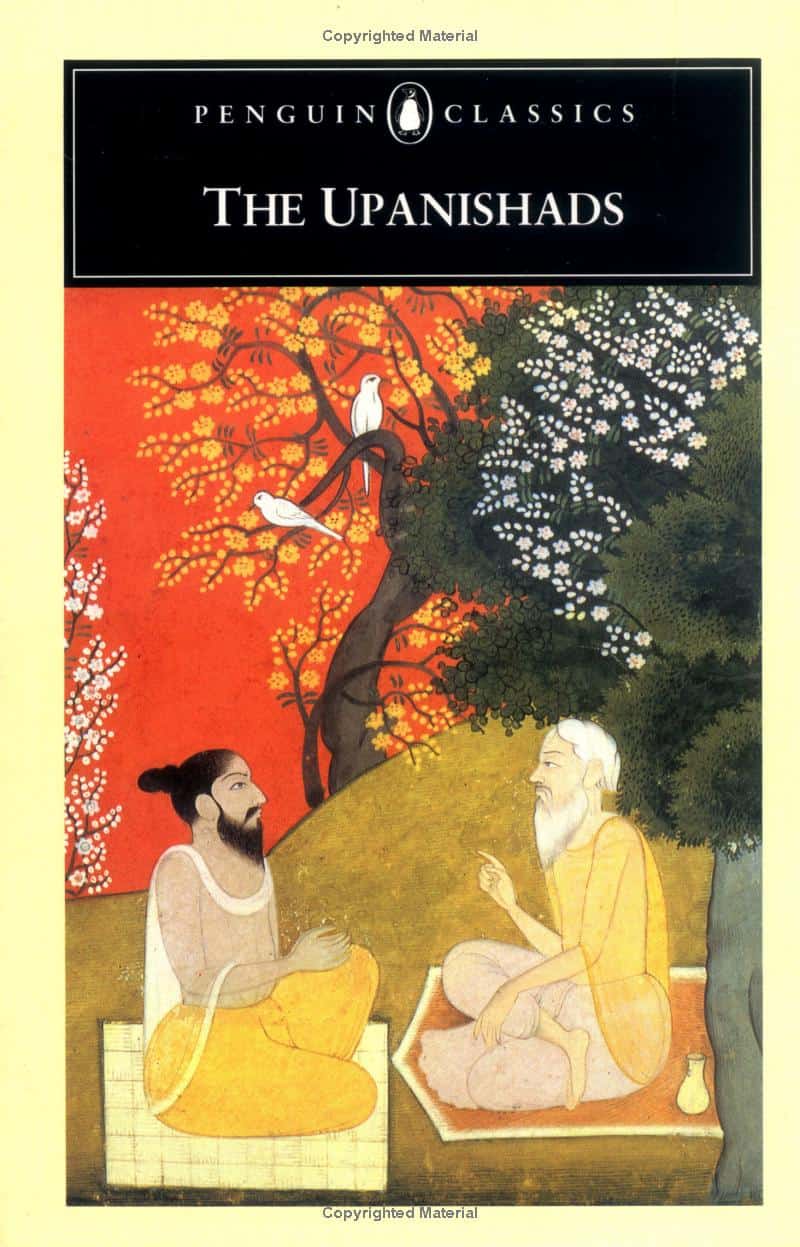
So there you have got it – a fast peek into what saṃsāra is all about. From its starting as an historical custom to its evolution over centuries – it’s been fairly a journey! In case you’re able to deepen your understanding of this philosophy, take into account studying the standard texts your self, like this contemporary translation of the early Upanishads.
Overview: What Is Samsara?
The Life-Loss of life-Rebirth Cycle
So, what’s samsara? In a nutshell, saṃsāra is the cycle of life, loss of life, and rebirth in lots of traditions. Consider it like an limitless merry-go-round. You’re born, you reside, you die, after which – whoosh! It’s the cycle of saṃsāra, rooted in traditions. It’s the cycle of saṃsāra, rooted in traditions. It’s the cycle of saṃsāra, rooted in traditions. It’s the cycle of saṃsāra, rooted in traditions. – you’re again once more.
Atman: The Particular person soul
Whenever you depart your bodily physique behind from earlier lives, the atman or “common self” continues wandering by means of this bodily actuality, looking for religious liberation. To launch your highest self — your atman — from the ache and struggling of the world, it’s essential to decide to residing a life stuffed with as a lot good karma as potential.
Karma’s Affect
However the place does karma slot in? It’s easy: your actions on this life decide your future lives. Good deeds would possibly get you a greater rebirth, whereas unhealthy ones may land you in a tough spot.
- Assist an previous girl cross the road? Constructive karma.
- Steal somebody’s lunch? Unfavorable karma.
Limitless Till Liberation
The factor about this cycle, often called saṃsāra in sure traditions, is that it retains spinning till liberation or ‘moksha’ is achieved. This implies breaking free from the wheel of samsara by reaching religious liberation.
Bodily Loss of life vs. Religious Rebirth
Now, right here’s the place issues get attention-grabbing. Bodily loss of life doesn’t imply recreation over in samsara. As an alternative, it’s extra like leveling up (or down) in saṃsāra, relying in your karma rating and traditions.
To sum up:
- Stay your life.
- Rack up karma factors.
- Die bodily.
- Get spiritually reborn based mostly on these factors.
And repeat till enlightenment breaks the loop!
Simply bear in mind – each motion counts when using the merry-go-round of samsara!
Position of Samsara in Rebirth Cycle
Samsara and rebirth are two peas in a pod. They’re like PB&J or fish and chips – you hardly ever get one with out the opposite. In samsara, your actions (or karma) are like seeds—plant good seeds to reap good fruits in your subsequent life cycle.
Think about life as a large Ferris wheel. You’re on this experience due to your karma. Did you do some good deeds? Within the traditions of saṃsāra, Within the traditions of saṃsāra, Within the traditions of saṃsāra, Within the traditions of saṃsāra, you would possibly simply get bumped as much as a swanky cabin with plush seats subsequent time round. However in case you’ve been naughty, let’s simply say the view isn’t so nice from down beneath.
So why would anybody need off this wild experience? Nicely, even essentially the most enchanting saṃsāra could make you dizzy, identical to the fanciest Ferris wheel after some time. Many believers search liberation from the cycle of saṃsāra – they’re after moksha or nirvana.
Breaking free isn’t straightforward, although:
- Perceive the character of samsara.
- Acknowledge that our actions affect our place within the saṃsāra, the cycle of rebirth.
- Try to behave righteously to enhance our karmic rating.
- Search religious steerage and enlightenment.
It’s like attempting to ace the saṃsāra examination when the syllabus retains altering! However hey, who doesn’t love a problem?
So bear in mind: play good, intention excessive, and possibly, simply possibly, we are able to all discover our approach out of this loopy cycle known as samsara.
What Is Samsara in Buddhism?
Buddha’s Teachings on Samsara
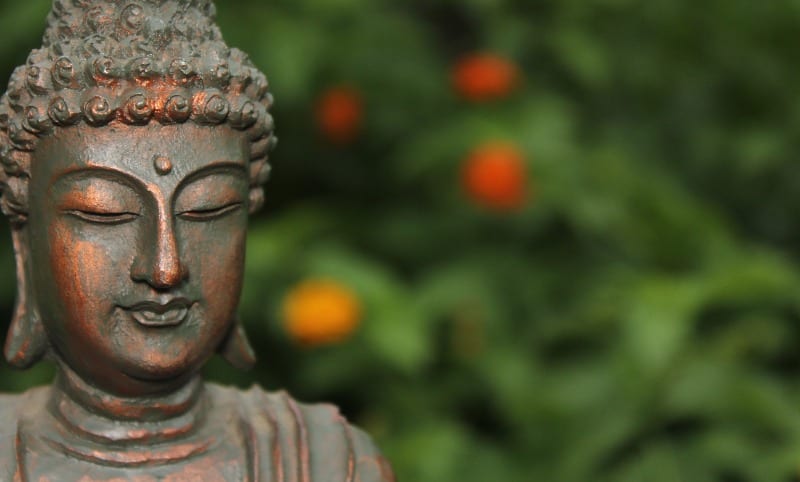
Buddha taught that life, or saṃsāra, is marked by struggling, impermanence, and selflessness. These ideas are deeply entwined with saṃsāra—the cycle of start, loss of life, and rebirth. You would possibly consider saṃsāra like a hamster wheel—always spinning however by no means shifting ahead.
- Struggling (Dukkha): Life is stuffed with ache and dissatisfaction.
- Impermanence (Anicca): All the things adjustments—nothing lasts ceaselessly.
- Selflessness (Anatta): There’s no everlasting self or soul.
Escaping from Samsara
Buddhism presents methods to flee samsara:
- Meditation: A follow that helps us see actuality clearly.
- Mindfulness methods: Assist us navigate saṃsāra, keep current, and keep away from clinging to issues that change.
In response to Buddhism, these practices cut back attachment and want—the foundation causes of struggling.
Reaching Nirvana
Nirvana is the last word purpose in Buddhism—an finish to the cycles of rebirth inside samsara. It’s like stepping off the hamster wheel into good peace and happiness. However getting there isn’t straightforward—it requires deep understanding and follow.
Interpretations Throughout Buddhist Traditions
Completely different Buddhist traditions interpret samsara in a different way:
- Theravada: Emphasizes private enlightenment by means of meditation.
- Mahayana: Stresses compassion and serving to others obtain enlightenment.
Regardless of these variations, all types of Buddhism share the frequent purpose of escaping the cycle of saṃsāra to realize Nirvana. So whether or not you’re a Theravada or Mahayana follower—or simply somebody interested in what’s saṃsāra—you’re a part of a millennia-old quest for liberation from the cycle of saṃsāra or struggling.
Greedy Samsara’s Which means in Hinduism
Saṃsāra, a Sanskrit time period, is a central idea in Hinduism. Saṃsāra represents the cycle of start, loss of life, and rebirth that Atman (the soul) undergoes resulting from karma.
Karma and Reincarnation
In Hindu beliefs, karma and saṃsāra are usually not simply actions however the consequence of these actions. Collected over lifetimes, it influences the soul’s reincarnations inside the cycle of saṃsāra. Constructive actions result in favorable rebirths, whereas adverse ones end in much less fascinating life varieties or circumstances.
Moksha: The Final Purpose
For Hindus, escaping from the limitless cycle of saṃsāra is the last word purpose – an achievement often called Moksha. Attaining Moksha implies liberation from the cycle of saṃsāra and union with the divine.
Rituals for Lowering Unfavorable Karma
Hindus have interaction in numerous rituals and practices, navigating by means of saṃsāra, geared toward lowering adverse karma.
- Prayers and meditation
- Fasting on auspicious days
- Pilgrimage to holy locations
- Charitable acts
These actions purify one’s karma, positively influencing future reincarnations.
Numerous Views inside Hinduism
Curiously, views on what’s samsara differ throughout completely different sects inside Hinduism:
- Vaishnavism: Focuses on devotion to Vishnu.
- Shaivism: Facilities across the worship of Shiva.
- Shaktism: Worships Shakti or Devi – the divine female power.
Regardless of variations in focus, all sects agree on the elemental idea of saṃsāra and share frequent targets in the direction of moksha.
In Jainism – one other historical Indian faith – we discover comparable ideas of karma and liberation, although their interpretation would possibly differ barely from Hindu beliefs.
To sum up, understanding samsara offers insights into core parts of Hindu philosophy, together with its nuanced views on life cycles and religious liberation.
Wrapping Up Samsara
So, there you have got it! You’ve unlocked the thriller and answered the query: What Is Samsara? It’s not just a few fancy time period tossed round by monks and religious gurus. It’s a deep-rooted idea in Hinduism and Buddhism, shaping their understanding of life, loss of life, and rebirth.
Understanding about Samsara can provide you a contemporary perspective on life, whether or not you’re into spirituality or simply interested in completely different worldviews. So why not dive deeper? There’s a complete universe of information ready for you! And bear in mind – your journey is what you make it. Preserve exploring!
FAQS
What’s the primary distinction between Samsara in Hinduism and Buddhism?
In Hinduism, Samsara refers back to the cycle of start, loss of life, and rebirth ruled by karma. Nevertheless, whereas Samsara additionally represents this cycle, there’s much less emphasis on particular person soul reincarnation as Buddhism doesn’t consider in an everlasting soul.
How can one escape from Samsara?
Hinduism and Buddhism each recommend that liberation from Samsara may be achieved by means of religious enlightenment, known as Moksha (in Hinduism) or Nirvana (in Buddhism).
Is Samsara solely current in Jap religions?
Whereas the time period “Samsara” originates from Jap religions like Hinduism and Buddhism, comparable ideas exist in lots of different spiritual traditions reminiscent of Jainism and Sikhism.
Does perception in Samsara affect every day life practices?
Sure certainly! Perception on this cycle typically influences ethical selections and moral habits since actions (karma) decide future births.
What does understanding the idea of samsara deliver to my life?
Understanding samsara offers a philosophical perspective on life’s cyclical nature – start, loss of life & rebirth – encouraging mindfulness in the direction of actions as they affect your karmic steadiness.
What Is Samsara?
Samsara in Hinduism, Buddhism, Jainism, and Sikhism refers back to the cyclical means of start, loss of life, and rebirth, with the last word purpose being liberation from this cycle. A person’s actions of their present life decide their standing within the subsequent, perpetuating the cycle.