
“`html
I wasted $340 chasing glass skin. Forty-three steps, four serums, a mini-fridge full of essences — and by noon I either looked oily or I’d sweated the whole thing off.


Then I started seeing a different finish all over Korean beauty content: softer, warmer, less “I just dunked my face in a fishbowl.” That’s mul-gwang (물광) — literally “water light.” I’ve been testing it seriously for four months, and I’m not going back.
Here’s everything I figured out: the products that actually work, the ones that don’t, and the skin-type traps nobody warns you about.
Mul-Gwang vs. Glass Skin: What Actually Separates Them
These sound interchangeable. They’re not. After testing both side by side for weeks, here’s the clearest breakdown I can give you:
- Glass skin: High-shine wet mirror finish, poreless look, heavy layering, stunning in photos — falls apart in heat within 3 hours
- Mul-gwang: Soft luminosity, micro-fine shimmer (not chunky, not foil), visible skin texture that reads as intentional, holds 7–8 hours in real conditions
The easiest way I’ve described it: mul-gwang is how your skin looks 20 minutes after a really good moisturizer fully absorbs. Not wet. Just alive.
Glass skin = mirror. Mul-gwang = candlelight. Which you prefer is genuinely a personal call — both are valid finishes depending on your skin type, climate, and what you’re dressing for.
Mul-gwang sits within a whole family of Korean “gwang” (광, meaning glow or radiance) finishes: kkul-gwang is warmer and richer (honey glow), yun-gwang is glossier and closest to glass skin territory, sok-gwang is the most natural of all (inner glow). Mul-gwang lands between sok and yun — luminous but never lacquered.
Why So Many Korean Beauty Creators Shifted Away from Glass Skin
The “glass skin is culturally over in Korean workplaces” claim gets recycled constantly in Western beauty writing — I want to be straight with you: I’ve seen that cited by retailers, not researchers or Korean cultural commentators. Take it with salt.
What I can tell you is what’s visible in Korean beauty content: creators who were doing 12-step glass skin routines two years ago are now doing 4-step routines with softer results. The aesthetic shift is real. The sociological explanation is less certain.
What seems more straightforward is this: glass skin is exhausting and unforgiving. Mul-gwang is not. That alone explains a lot of the migration.
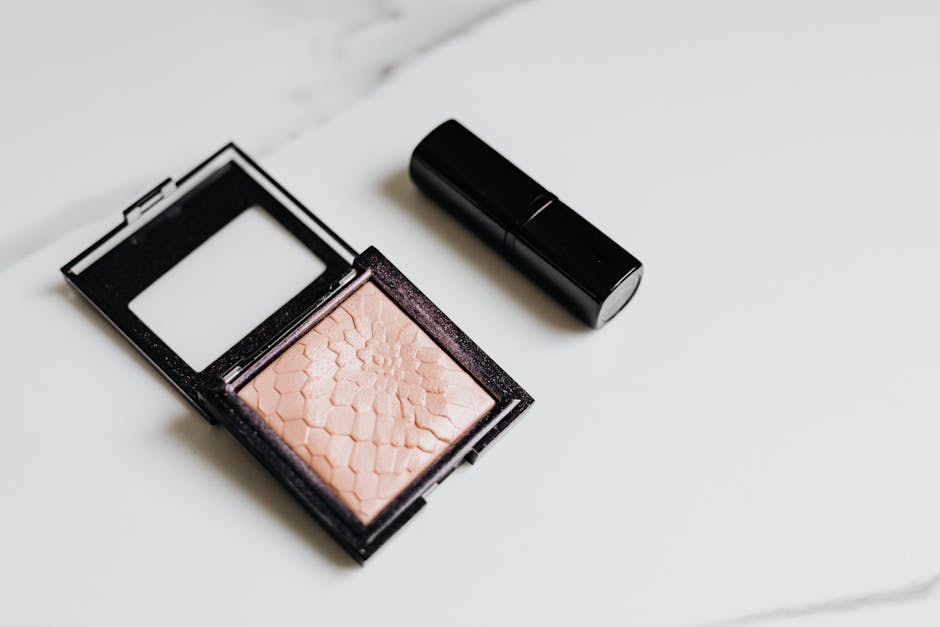
8 Products That Actually Build the Mul-Gwang Look ($10–$65)
You don’t need to gut your routine. You need to fix your base. Here’s what I’m actually using, in order:
Step 1: The Hydrating Pre-Makeup Base
COSRX Advanced Snail 96 Mucin Power Essence (~$25, Amazon) — I pat this in 60 seconds before any base product and my skin genuinely looks better before I’ve touched a single makeup item. It leaves a faint chok-chok (sticky-bouncy) texture that holds everything else in place all day.
Honest downside: Faint herbal smell that some people find off-putting. If you’re oily, layering this under a cushion can feel like too much by midday — start with one hydrating step, not two, and see how your skin handles it.
Beauty of Joseon Glow Serum (~$17, Olive Young Global) — Propolis and niacinamide. Gives exactly the soft inner-glow quality that separates mul-gwang from a regular dewy finish. What surprised me: it calmed redness I’d been fighting for months.
Honest downside: Propolis can cause reactions for people with bee sting allergies — patch test first. The luminosity is also subtle on its own; if you want a bigger payoff, you’ll still need a glow cushion on top.
Step 2: Serum-Infused Cushion Compact — Where the Look Lives or Dies
Not just any cushion. You want serum-infused SPF cushions specifically — the newer silicone-free Korean formulations that create lit-from-within glow without the tacky noon-creasing that plagued older dewy bases. Here’s how three price points actually compare:
Laneige Neo Cushion Glow (~$42, Sephora) — My starting point for this whole experiment. Medium-buildable coverage, luminous without being shiny, photographs without looking filtered. Wears about 6 hours on my combination skin before I need a light press.
Honest downside: Shade range is limited and runs slightly pink-cool. If you have warm or golden undertones, swatch before committing — the wrong undertone makes the luminous effect look grey and flat instead of glowing.
Sulwhasoo Perfecting Cushion (~$65, Sulwhasoo.com) — I know. But if you want to understand what a truly premium mul-gwang base feels like, this is it. The texture is almost impossible to describe: it’s like applying water that somehow has coverage. Try it at a Sephora counter before buying anything else.
Honest downside: At $65, you’re partly paying for brand and packaging experience. The finish is genuinely better than the Laneige, but not $23-better for everyone. Undertone variation issues still apply — check the shade guide carefully.
Missha M Magic Cushion (~$14, YesStyle) — Punches well above its price. Not as dimensional as the Laneige, but for everyday mul-gwang it’s completely sufficient.
Honest downside: The finish is slightly more flat-dewy than true mul-gwang micro-shimmer — it works best as a starting point while you figure out whether you love this look before spending more. Shade range is also limited, which makes it tricky for deeper skin tones.
Step 3: Water-Tint Blush — The Most Underrated Step
rom&nd Blur Fudge Tint in 15 Beet Beet (~$12, YesStyle) — Apply with a fingertip, not a brush. Tap tap tap. Brushes disturb the cushion base; warm fingers press product in instead of lifting it. The result is a flushed-from-within cheek that looks like it grew there.
Honest downside: Water tints dry fast. Tap too slowly or use too much and you get a patchy result that’s genuinely hard to fix without restarting the cushion step. Practice the motion on your hand first.
Step 4: Eyes That Match Without Competing
Most mul-gwang tutorials show the base and stop. That’s a mistake — the eye work matters a lot.
- Inner corner highlight: rom&nd Glasting Water Glitter in 01 Sparkling Wave (~$10, YesStyle) — tiny, targeted shimmer that catches light without announcing itself
- Lid: a tap of the same highlighter across the lid, or nothing at all
- Waterline: white or champagne eyeliner to open the eye
- Mascara on upper lashes only — lower mascara kills the soft energy immediately
Step 5: Lips That Don’t Fight the Rest of the Look
Glossy tint or soft butter finish only. Matte lips visually contradict everything the base is doing — don’t do it.
AMUSE Dew Tint (~$16, Olive Young Global) sits glossy-wet without stickiness and gives a just-bitten color that reads as natural. What surprised me was how long it lasted — about 4 hours with normal eating before I needed to reapply.
Honest downside: Very sheer. If you want actual lip color coverage, this won’t deliver it. It’s a “your lips but better” product, not a statement lip.
How to Make Mul-Gwang Work for Your Skin Type
Dry skin: You’re the natural candidate here. Double-layer the hydrating steps, use the Sulwhasoo cushion if budget allows, and don’t skip a nourishing lip treatment under your gloss tint. This look was basically designed for your skin.
Oily skin: Doable, but requires more strategy. One hydrating serum layer only. Use Innisfree No Sebum Blur Primer (~$12) very sparingly on the T-zone only, then cushion everywhere normally. At the 4-hour mark, blot with a damp cushion sponge — not powder. Powder kills the finish completely.
Combination skin: My situation. I skip the essence on my nose and forehead and go heavier on cheeks and jaw. The cushion handles the rest of the balancing act.
Sensitive or barrier-damaged skin: Actually a good fit — the lineup is inherently gentle and hydration-focused. Look for cushions labeled “cica” (centella-infused). Purito Cica Clearing BB Cream (~$13, Stylevana) technically reads as a BB but wears like a mul-gwang base and is unlikely to irritate compromised skin. Honest downside: slightly more matte than ideal for this look — mix one drop of face oil into the product before applying to compensate.
Why Western “Dewy” Doesn’t Replicate This — I Tried
Western dewy finishes often just look wet — shiny in a way that reads as oily in person, even when the formula is technically hydrating. I spent two weeks trying to recreate mul-gwang with Western products before I gave up.
Mul-gwang has a structural difference. The micro-fine shimmer in Korean cushion formulas scatters light differently — it’s not glitter, not shimmer in the traditional sense. It’s closer to what light does when it hits genuinely healthy skin: soft, scattered, multidimensional. Korean formulators have been refining this specific optical effect for years. You can’t replicate it by grabbing a “dewy” foundation at the drugstore. I tried. It looked like I was sweating.
Some Western brands are getting closer. Most aren’t there yet.
Frequently Asked Questions
What is the mul-gwang water light Korean makeup trend and how is it different from glass skin?
Mul-gwang (물광) means “water light” — a soft, luminous skin finish that looks hydrated and healthy rather than wet or mirror-like. Glass skin aims for a poreless, high-shine finish that requires heavy layering and is unforgiving in heat. Mul-gwang shows real skin texture intentionally, uses micro-fine shimmer rather than full shine, and wears comfortably for 7–8 hours. Think less wet mirror, more lit-from-within warmth.
How do you apply mul-gwang makeup step by step?
Pat a hydrating essence into clean skin and wait 60 seconds. Press (don’t swipe) a serum-infused cushion compact into skin. Tap water-tint blush onto cheeks with your fingertip. Add a pearl shimmer to inner eye corners. Finish with a glossy lip tint. Skip setting powder entirely — it kills the finish. Total time once you know the products: about 10–12 minutes.
What products do you need for the mul-gwang water light look?
Core lineup: COSRX Snail 96 Mucin Essence (~$25) as a pre-makeup base, Laneige Neo Cushion Glow (~$42) or Missha M Magic Cushion (~$14) for budget, rom&nd Blur Fudge Tint (~$12) for blush, rom&nd Glasting Water Glitter (~$10) for inner corner highlight, and AMUSE Dew Tint (~$16) for lips. No setting powder. No matte lip. The edit is the point.
Does mul-gwang work for oily skin?
Yes, with adjustments. Use one hydrating layer only (not two), apply a light oil-controlling primer only on the T-zone, and blot at the 4-hour mark with a damp sponge instead of powder. It takes more effort than for dry skin, but the finish is achievable and holds reasonably well with those modifications.
Are cushion compacts for mul-gwang suitable for all skin tones?
Not without careful shade matching — and this is the thing most mul-gwang content skips over. Korean cushion compacts often have limited shade ranges and run cool-pink in undertone. The wrong shade actively makes the luminous finish look grey or flat instead of glowing, which defeats the whole point. Always swatch before buying, and check whether the brand offers warm undertone options if that’s your coloring.