
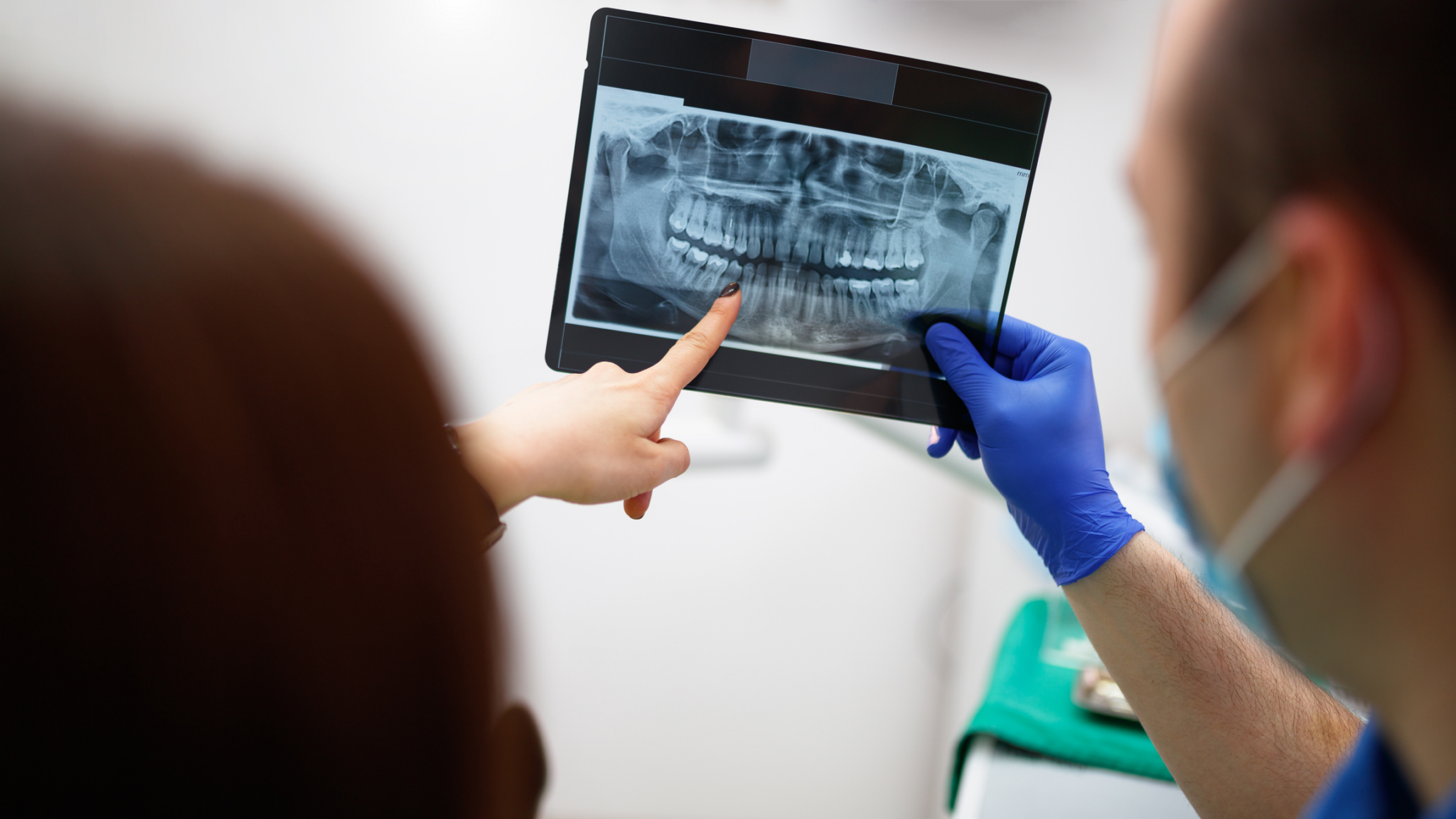
A analysis workforce from the Philippines and Taiwan has developed a synthetic intelligence-assisted diagnostic system able to figuring out tooth and sinus structures in dental X-rays with 98.2% accuracy.
The research, printed by the Ateneo Laboratory for Intelligent Visual Environments (ALIVE) in collaboration with Taiwan’s Chang Gung Memorial Hospital, National Cheng Kung University, Chung Yuan Christian University, and Ming Chi University of Technology, introduces a deep studying model designed to reinforce the analysis of odontogenic sinusitis.
The YOLO (You Only Look Once) 11n model, a light-weight, real-time object detection system, goals to decrease sufferers’ radiation publicity and cut back diagnostic prices. “The detection technique developed on this research successfully reduces the radiation dose sufferers obtain throughout CT imaging and serves as an auxiliary system, offering dentists with dependable help for the exact analysis of odontogenic sinusitis,” the researchers wrote.
Odontogenic sinusitis is an irritation of the sinuses brought about by dental points, typically misdiagnosed as common sinusitis resulting from related early signs. Left untreated, the an infection can unfold to the face, eyes, and even the mind. The situation is usually identified by each dental professionals and otolaryngologists.
According to the research, the AI model is designed to find out whether or not dental root apices are near the sinus flooring. It additionally highlights sinus areas by way of picture enhancement. “This expertise immediately identifies the proximity between tooth roots and the sinus flooring when capturing a dental panoramic radiograph (DPR),” the research states. “It alerts sufferers to potential dangers and facilitates case info sharing with otolaryngologists, offering further reference knowledge for medical analysis.”
The analysis discovered that the YOLO 11n model outperformed different fashions in detecting odontogenic sinusitis. The system demonstrated a classification accuracy of 96.1%, bettering diagnostic efficiency by 16.9% in comparison with non-enhanced strategies and surpassing earlier research by not less than 4%.
With its excessive accuracy and effectivity, the AI model has the potential to turn into a broadly used diagnostic device in dental and ear, nostril, and throat (ENT) clinics, aiding within the early detection and remedy of odontogenic sinusitis.